Category: Medications - Page 2
Benign Prostatic Hyperplasia and Decongestants: What You Need to Know About Urinary Retention Risk
Men with benign prostatic hyperplasia (BPH) face a serious risk of urinary retention from common decongestants like pseudoephedrine. Learn why, which drugs are dangerous, and what safer alternatives exist.
Valproate and Lamotrigine: Managing Rash Risk with Proper Dose Adjustments
When combining valproate and lamotrigine, improper dosing increases rash risk. Learn how to adjust doses safely, recognize early signs, and prevent life-threatening reactions. Data shows strict protocols reduce serious cases to under 0.1%.
Generic Drug Shortages: Causes and How They Limit Patient Access
Generic drug shortages are worsening in the U.S., with 270 active shortages in 2025. Caused by low profits, single-source manufacturing, and global supply chain risks, they force patients and providers to use riskier, costlier alternatives.
Licorice and Blood Pressure Medications: What You Need to Know
Licorice contains glycyrrhizin, which can raise blood pressure and lower potassium, making blood pressure medications less effective. Learn how it interferes with common drugs like diuretics and digoxin, who's at risk, and what to avoid.
Opioid Rotation: How Switching Medications Can Reduce Side Effects
Opioid rotation can reduce side effects like nausea, drowsiness, and constipation when your current pain medication stops working well. Learn when it’s recommended, which opioids work best, and how to switch safely.
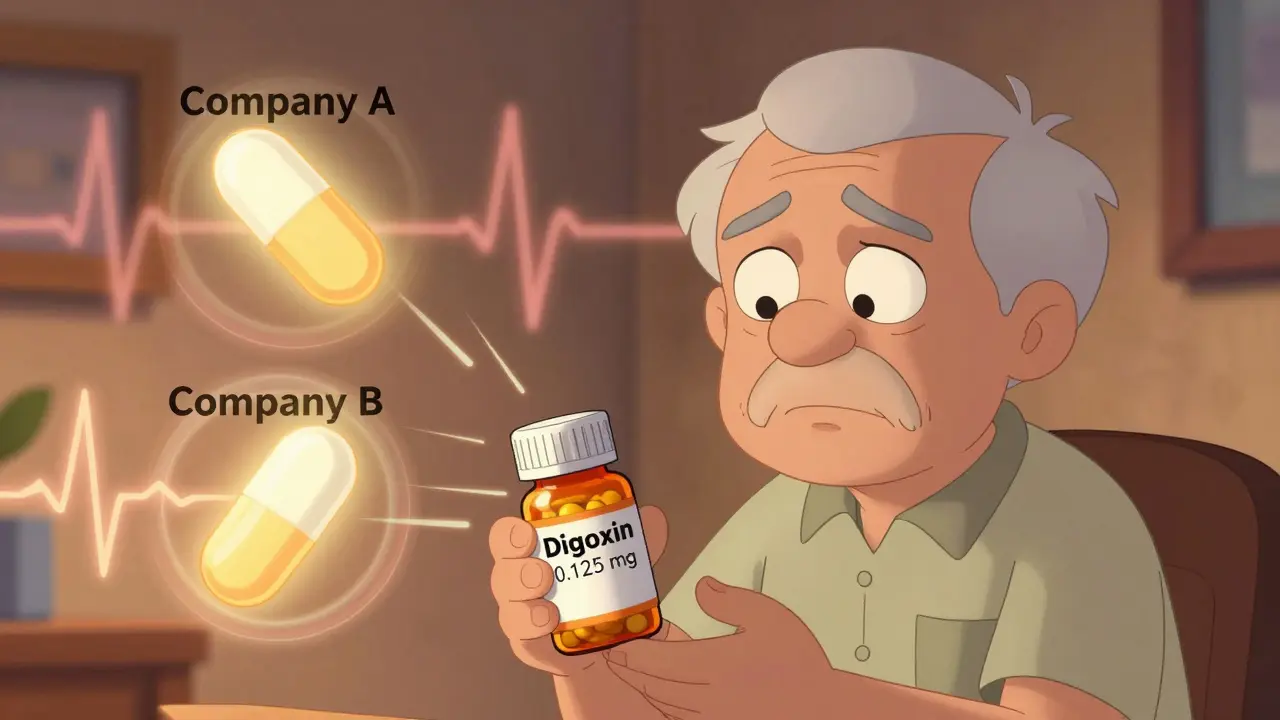
Digoxin Generics: Why Bioavailability Matters and How to Monitor Safety
Digoxin generics may be cheaper, but switching between brands can cause dangerous changes in blood levels. Learn why bioavailability matters, how to monitor for toxicity, and what steps to take to stay safe.
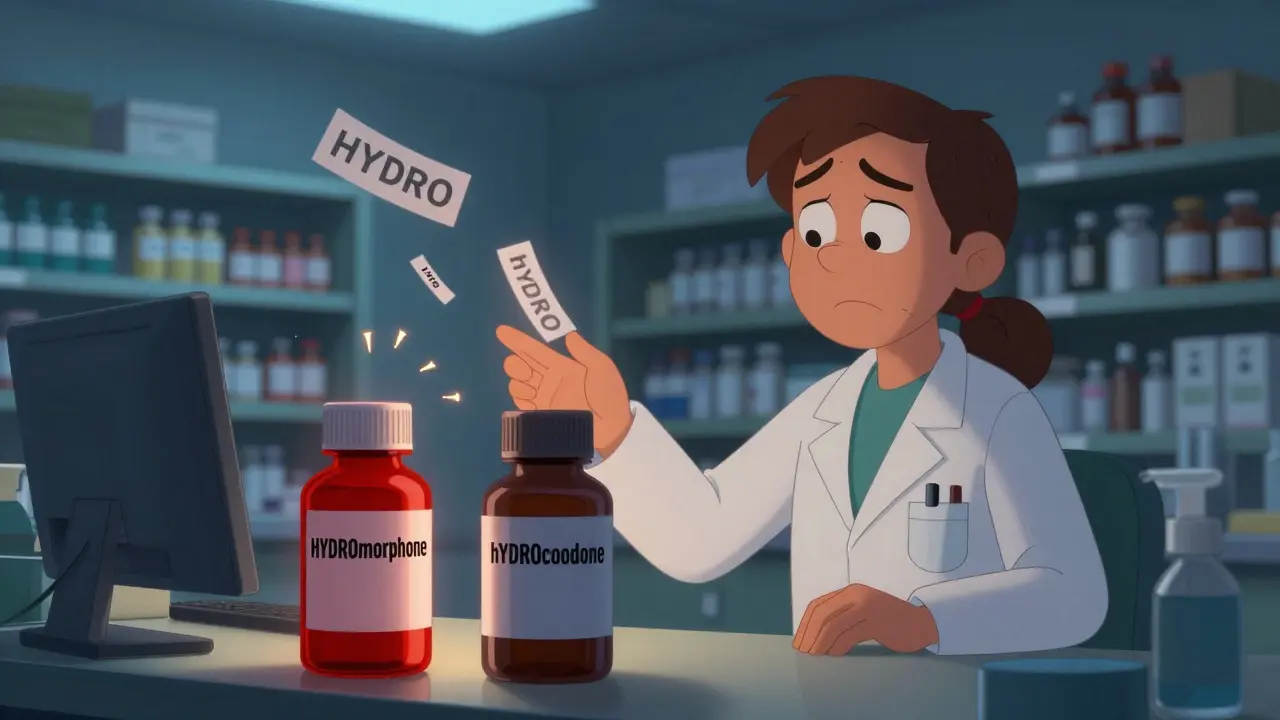
Look-Alike, Sound-Alike Medication Names That Cause Errors: Real Risks and How to Stop Them
Look-alike and sound-alike medication names cause one in four medication errors in U.S. hospitals. Learn which drugs are most dangerous, why mistakes keep happening, and how patients and providers can stop them.
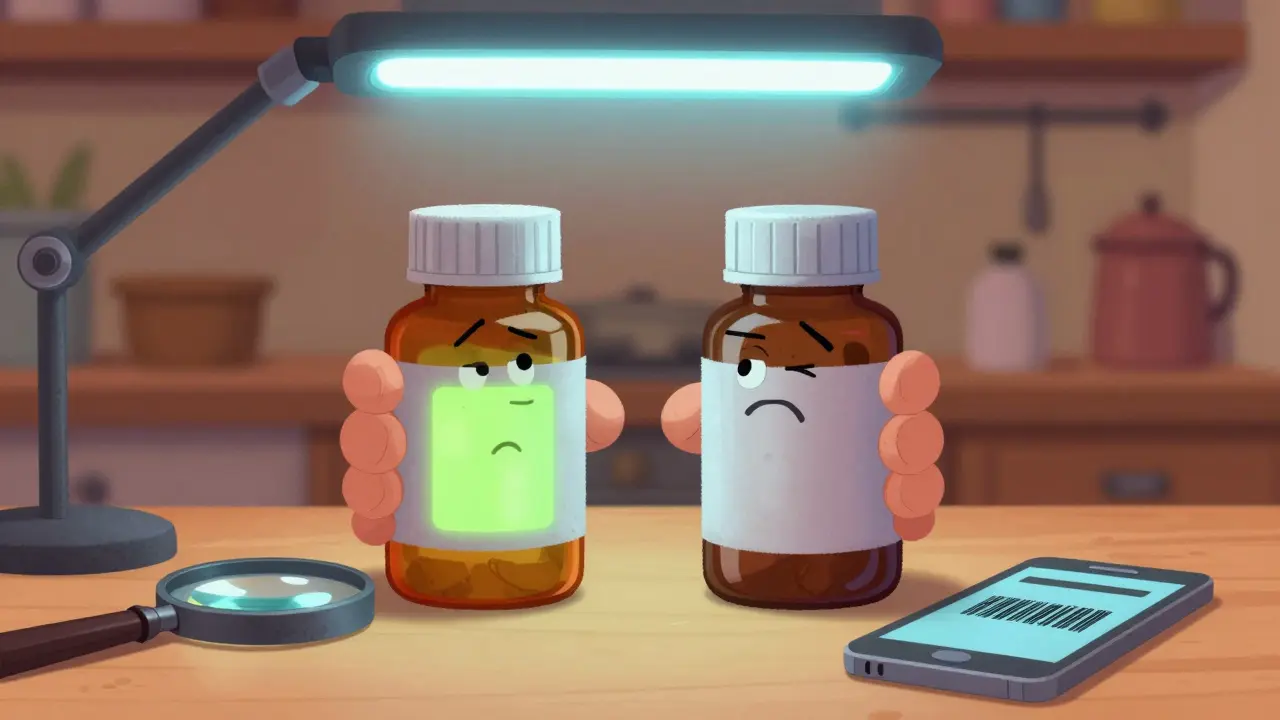
Packaging and Labeling: How to Verify the Authenticity of Generic Medicines
Learn how to verify the authenticity of generic medicines by checking packaging, using UV lights, scanning barcodes, and recognizing red flags. Understand why generics are targeted by counterfeiters and what steps you and your pharmacist can take to stay safe.
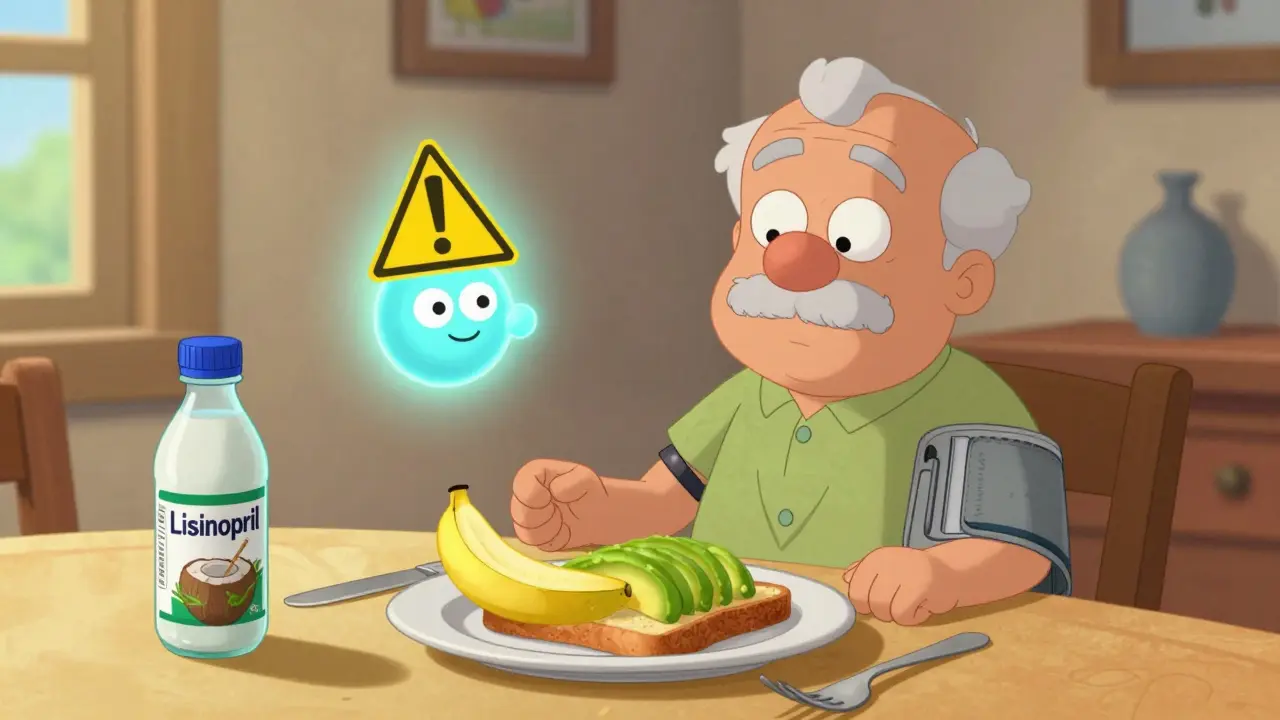
ACE Inhibitors and High-Potassium Foods: What You Need to Know About the Risk
ACE inhibitors like lisinopril can raise potassium levels, especially when paired with high-potassium foods. Learn which foods to watch, who’s at risk, and how to stay safe without giving up healthy eating.
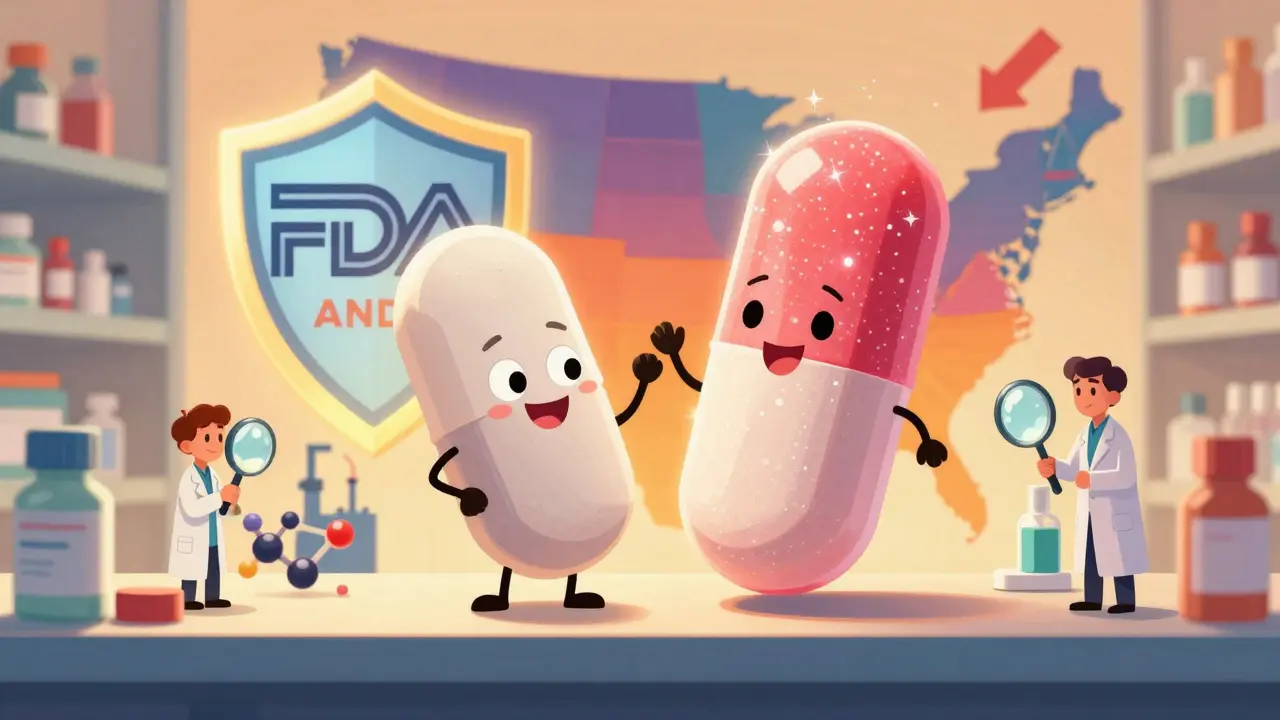
FDA’s Abbreviated New Drug Application Process Explained: How Generic Drugs Get Approved
Learn how the FDA's Abbreviated New Drug Application (ANDA) process lets generic drugs reach the market faster and cheaper than brand-name versions, saving billions annually while ensuring safety and equivalence.
Categories
- Medications (76)
- Health and Medicine (66)
- Health and Wellness (38)
- Online Pharmacy Guides (16)
- Nutrition and Supplements (9)
- Parenting and Family (3)
- Environment and Conservation (2)
- healthcare (2)
- prescription savings (1)