
Generic Drug Shortages: Causes and How They Limit Patient Access
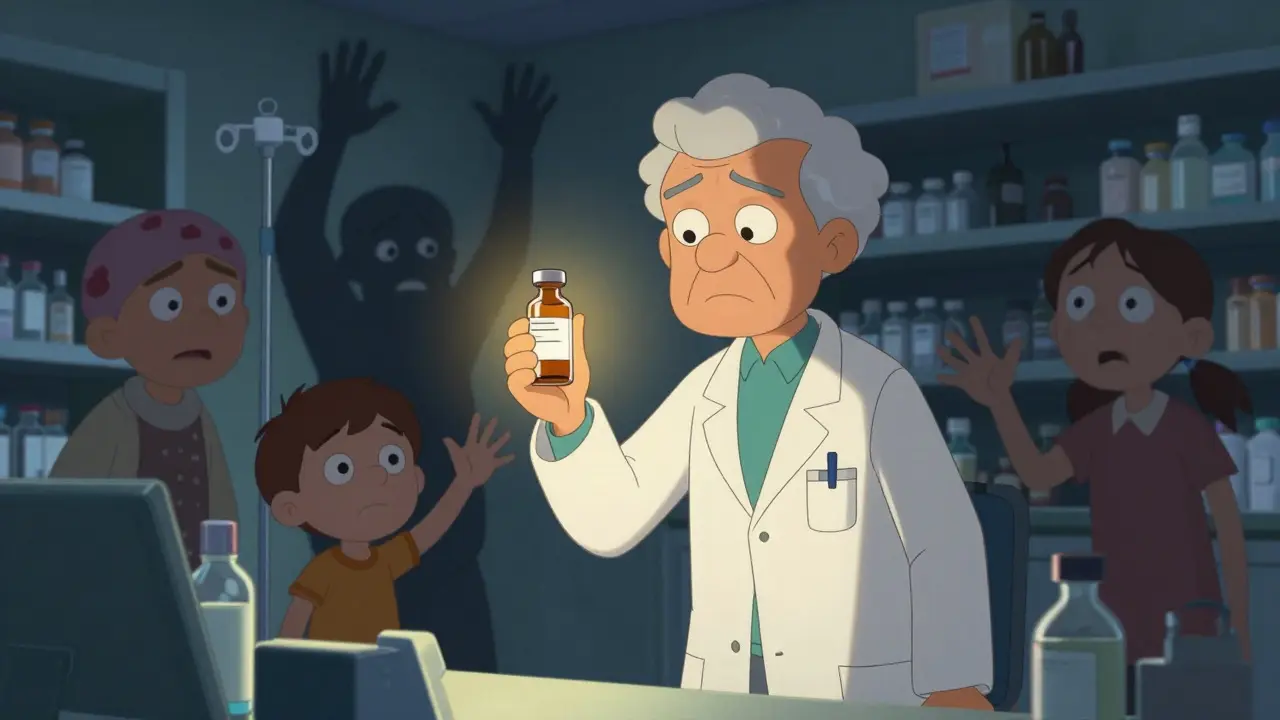
When a life-saving generic drug disappears from pharmacy shelves, it’s not just an inconvenience-it’s a crisis. In 2025, there were still 270 active drug shortages in the U.S., and nearly all of them were generic medications. These aren’t rare or obscure drugs. They’re the ones millions rely on every day: antibiotics, insulin, chemotherapy agents, heart medications, and painkillers. The problem isn’t getting better. It’s getting deeper.
Why Do Generic Drugs Keep Running Out?
Generic drugs make up 90% of all prescriptions filled in the U.S. But they’re also responsible for over 70% of all drug shortages. Why? Because the system is built to fail them.
Most generic drugs are sold at rock-bottom prices. Manufacturers earn as little as 5-10% gross profit on sterile injectables-compared to 30-40% for brand-name drugs. That means there’s little room to invest in better equipment, backup production lines, or quality control. When a machine breaks down or a batch fails inspection, there’s no financial cushion to fix it quickly.
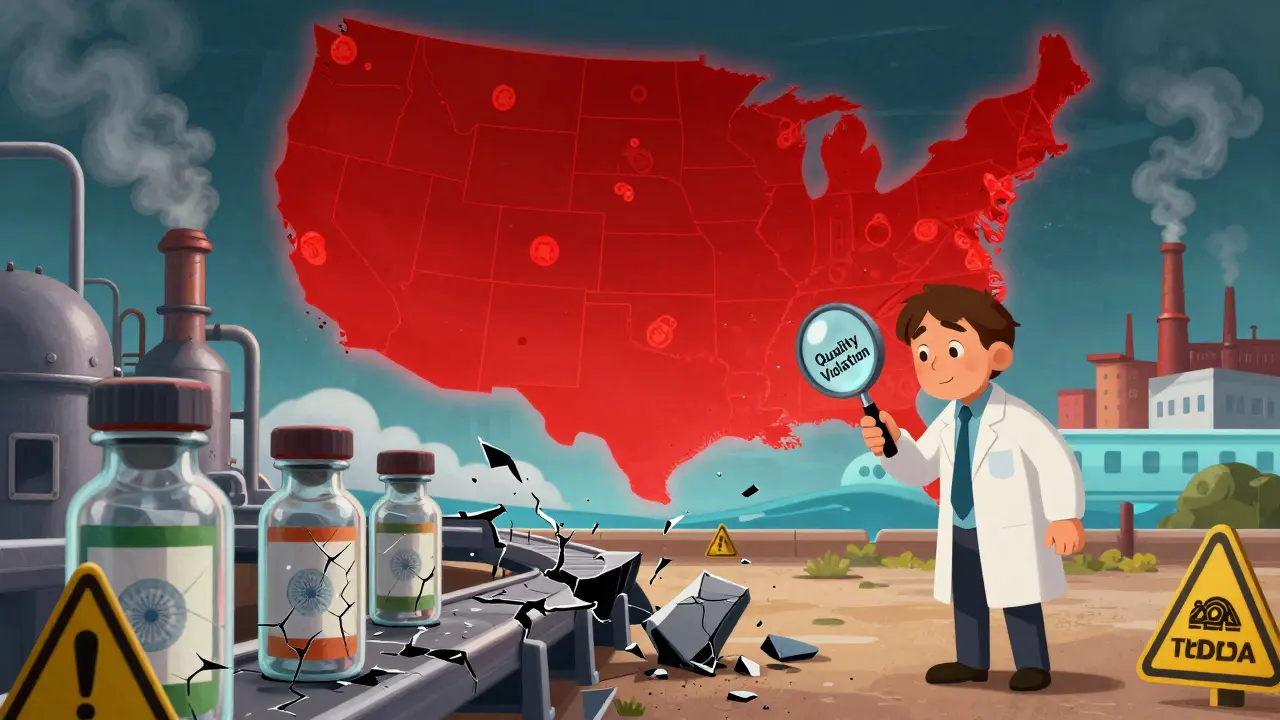
And it’s not just about profit. The supply chain is dangerously thin. About 70% of generic drugs have only one or two manufacturers approved by the FDA. If one of them shuts down for repairs-or gets shut down by the FDA for quality violations-there’s no backup. This isn’t a fluke. It’s standard practice.
Then there’s the global dependency. Over 80% of the active ingredients in U.S. drugs come from factories in China and India. A single flood, power outage, or regulatory crackdown overseas can ripple across the entire American healthcare system. In 2023, a factory in India was shut down after repeated FDA violations. That one event caused shortages of six essential antibiotics used in hospitals nationwide.
Who Gets Hurt the Most?
It’s not just hospitals. It’s the patient waiting for chemotherapy, the diabetic running out of insulin, the elderly trying to manage heart failure.
Sterile injectables are the hardest hit. About 60% of all shortages involve these drugs-things like IV antibiotics, pain medications, and emergency drugs like epinephrine. Why? Because they require clean rooms, sterile packaging, and precision equipment. Fewer companies can make them. And even fewer want to, because the profit margin is so slim.
Hospitals are overwhelmed. A 2024 survey found that 89% of hospitals had to delay treatments because of drug shortages. Cancer centers had to change chemotherapy protocols. Pediatric units ran out of antibiotics. Emergency rooms had to use more expensive, less effective substitutes.
Pharmacists are stretched too thin. One pharmacist in Texas told a reporter: “We spent 18 hours last week just tracking down vancomycin. We couldn’t find it. So we switched to daptomycin. It costs three times as much. And it’s not as well-studied for the infections we’re treating.”
Patients don’t just lose access-they lose trust. A 2024 survey by the National Community Pharmacists Association found that 43% of patients abandoned their prescriptions entirely because they couldn’t get the generic version. Some couldn’t afford the brand-name alternative. Others didn’t want to risk an untested substitute.
Why Aren’t Alternatives Always Available?
With brand-name drugs, there’s often another option. If one painkiller is out of stock, you can usually switch to another in the same class. But with generics? Not so much.
Take cisplatin, a key chemotherapy drug. It’s been on shortage for over two years. There’s no direct therapeutic alternative. Carboplatin is sometimes used instead-but it’s not the same. It has different side effects, different dosing, and less proven effectiveness for certain cancers. Switching isn’t just a substitution. It’s a gamble.
Even when alternatives exist, they’re often more expensive. A 2024 report from the HHS Office of Planning and Evaluation found that when a generic drug goes into shortage, its price jumps an average of 14.6%. But the price of the substitute? Sometimes it spikes by 300%.
And here’s the cruel twist: the drugs that are most in need-older, low-cost generics-are the ones most likely to disappear. Drugs like furosemide, metformin, or hydrochlorothiazide aren’t profitable. So manufacturers stop making them. And once they stop, it takes years to restart production.
The Hidden Cost of Shortages
The real cost of drug shortages isn’t just what patients pay. It’s what the system pays.
Hospitals spend an estimated $213 million a year just managing shortages. That’s overtime for pharmacists, emergency purchases, retraining staff, updating electronic records, and calling suppliers across the country. One pharmacist told me they spend 15-20 hours a week on shortage-related tasks. That’s nearly half a workday. And that’s on top of staffing shortages that already leave pharmacies understaffed.
Training has become a full-time job. Pharmacists now need to know not just their own inventory, but the availability of 10-15 alternatives for each critical drug. That’s not something they learned in pharmacy school. It’s a new, reactive skill forced on them by a broken system.
And the paperwork? It’s insane. Over 65% of healthcare facilities now maintain separate protocols for at least 10 different drug categories. Each protocol requires approval, training, and documentation. All because the same drug might be available one week and gone the next.
What’s Being Done? And Why It’s Not Enough
The FDA has tried. In 2020, the government created the Essential Medicines List to prioritize critical drugs. Shortages of those drugs dropped 32% between 2020 and 2023. But since 2023, the numbers have crept back up.
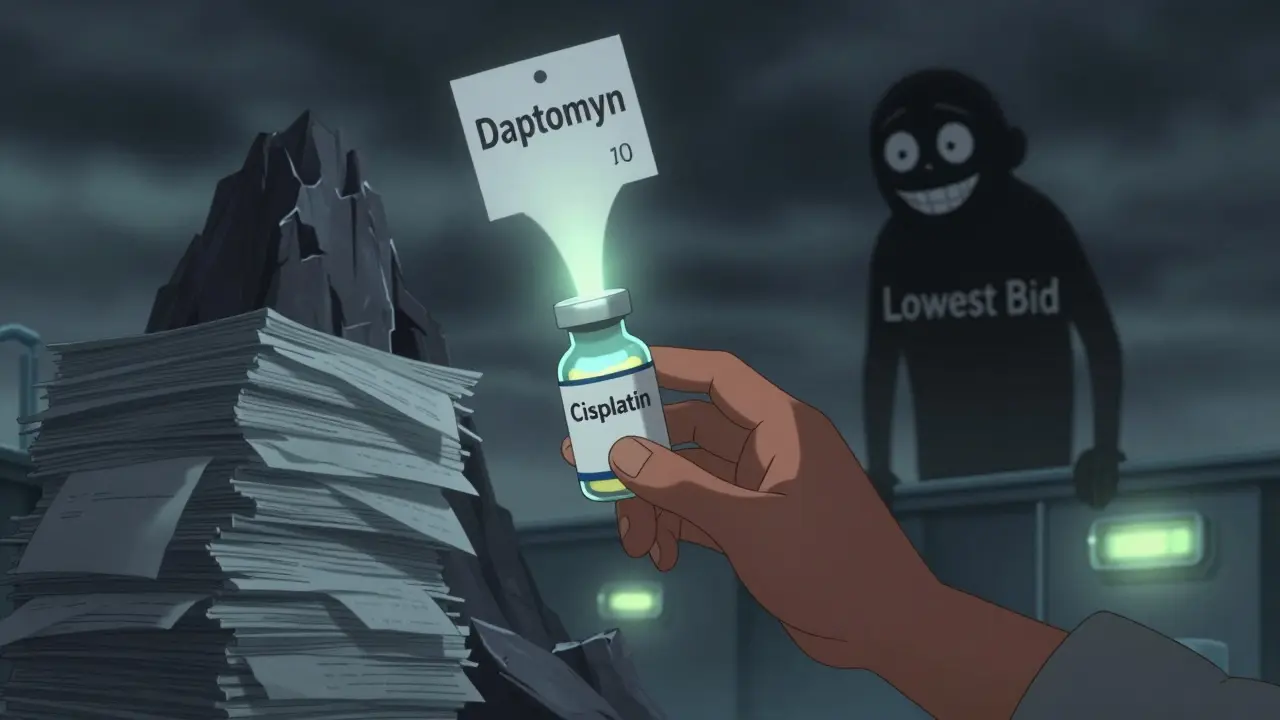
The FDA’s Drug Shortage Task Force has four goals: diversify manufacturing, create financial incentives, adopt advanced production tech, and improve early warnings. All good ideas. But none of them fix the root problem: the market doesn’t reward reliability. It rewards the lowest bid.
Manufacturers don’t lose money when a drug is in short supply-they lose money when they make it. And if you’re making $0.02 per pill, you don’t invest in quality. You cut corners. You skip maintenance. You delay inspections. And when something breaks, you wait for demand to drop before restarting production.
Even proposed tariffs on imported drugs could make things worse. A 50-200% tariff on pharmaceutical ingredients from China and India? That would raise costs, shrink supply, and push more drugs into shortage.
What’s Next?
Without a major shift in how we value generic drugs, this won’t stop. The Congressional Budget Office predicts over 350 shortages by the end of 2026. Two-thirds of them will be injectables.
There are only two ways out: either we pay more for these drugs-or we make manufacturers pay for the consequences of cutting corners.
Some experts suggest government contracts for essential generics, guaranteeing a minimum price and volume. Others want penalties for manufacturers who repeatedly violate quality standards. Some propose tax breaks for companies that maintain extra production capacity.
But until we stop treating life-saving drugs like commodities, patients will keep paying the price-in delays, in risks, in pain, and sometimes, in lives.

Jamillah Rodriguez
February 4, 2026 AT 01:16Prajwal Manjunath Shanthappa
February 5, 2026 AT 03:28Wendy Lamb
February 6, 2026 AT 01:08Antwonette Robinson
February 6, 2026 AT 01:23Ed Mackey
February 6, 2026 AT 11:35caroline hernandez
February 6, 2026 AT 20:08Sherman Lee
February 6, 2026 AT 21:02Lorena Druetta
February 8, 2026 AT 20:46Coy Huffman
February 8, 2026 AT 22:52Nathan King
February 10, 2026 AT 13:25rahulkumar maurya
February 11, 2026 AT 20:38