
CYP450 Enzyme Interactions: How Medications Compete for Metabolism
CYP450 Drug Interaction Checker
This tool helps you understand how medications compete for the same liver enzymes. Enter your medications to see potential interactions based on CYP450 enzyme competition. Note: This is not a replacement for professional medical advice.
Add Medications
Search for medications to check for CYP450 enzyme competition. Common medications include statins, antidepressants, blood thinners, and antibiotics.
Current Medications
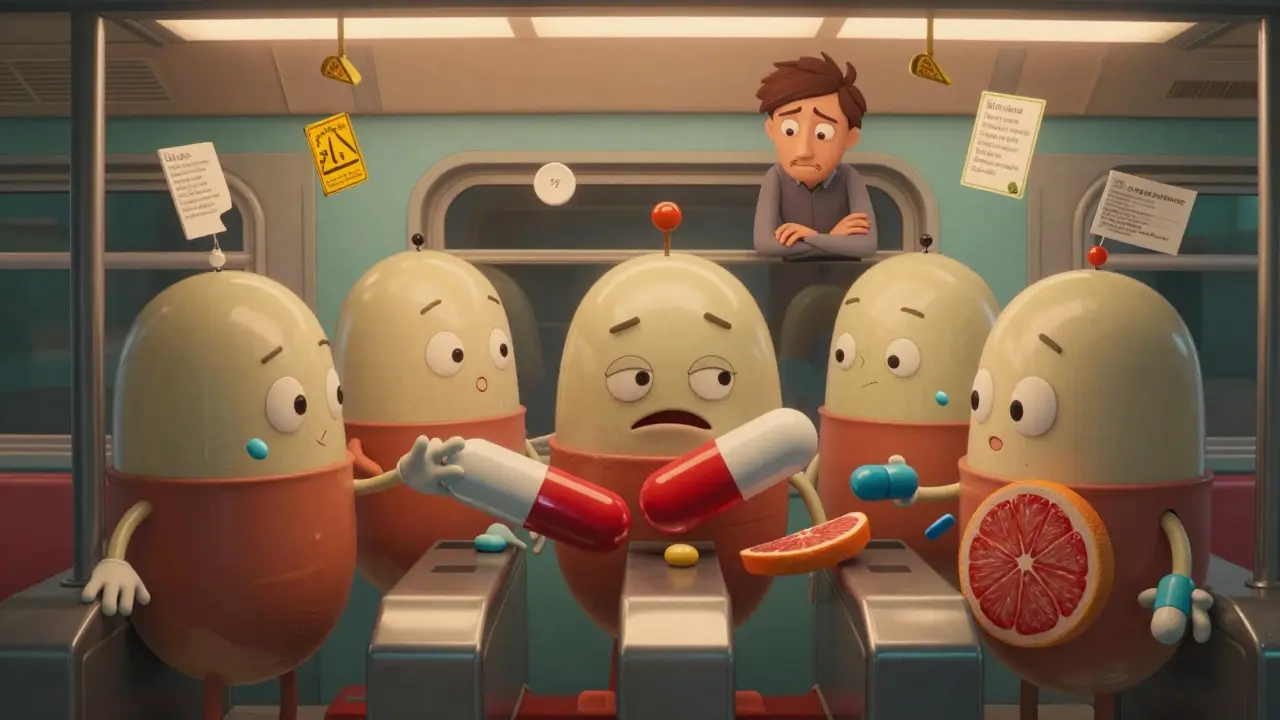
Imagine taking two pills at the same time - one for your blood pressure, another for your depression - and not realizing they’re fighting over the same enzyme in your liver. That’s not science fiction. It’s happening right now to millions of people. The reason? CYP450 enzymes, the body’s main drug-processing system, are overwhelmed by the sheer number of medications we take. These enzymes don’t work like a team; they work like a crowded subway turnstile. Only so many people (or drugs) can get through at once. When one drug blocks the path, others get stuck - and that’s when things go wrong.
What Are CYP450 Enzymes and Why Do They Matter?
Cytochrome P450 (CYP450) enzymes are proteins in your liver and gut that break down most of the drugs you take. About 90% of medications - from statins to antibiotics to antidepressants - rely on these enzymes to be cleaned out of your body. Without them, drugs would build up to toxic levels. But here’s the catch: there are only six major CYP450 enzymes doing all this work, and they’re not equally strong. CYP3A4 handles half of all drugs. CYP2D6 takes a quarter. Together, these two alone manage 75% of everything you swallow.
These enzymes don’t just process drugs. They also handle caffeine, alcohol, and even some herbal supplements like St. John’s wort. That’s why drinking grapefruit juice while taking a cholesterol pill can be dangerous - grapefruit blocks CYP3A4 in your gut, causing the drug to flood your bloodstream. One study showed it can raise drug levels by 30% to 80%. That’s not a minor side effect. That’s a medical emergency waiting to happen.
How Do Drugs Compete? Inhibition vs. Induction
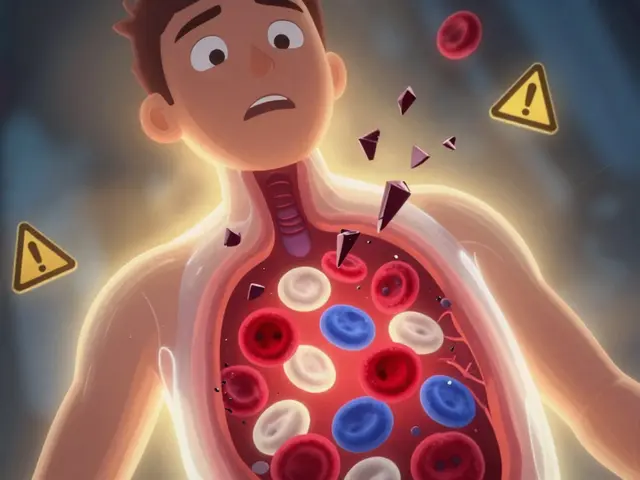
There are two main ways drugs interfere with CYP450 enzymes: inhibition and induction. Inhibition is like cutting off the water supply. One drug steps in and blocks the enzyme’s active site - the spot where another drug needs to bind to be broken down. This is called competitive inhibition. The stronger the blocker, the more the other drug piles up. For example, clarithromycin (an antibiotic) is a powerful inhibitor of CYP3A4. When taken with simvastatin (a statin), it can cause simvastatin levels to spike tenfold. That’s how a 72-year-old woman ended up in the hospital with rhabdomyolysis - a life-threatening muscle breakdown - after just three days of combining these two drugs.
Induction is the opposite. It’s like turning on a factory. Some drugs, like rifampin (used for tuberculosis), tell your liver to make more CYP450 enzymes. This speeds up metabolism so much that other drugs get cleared too fast. If you’re on birth control and start rifampin, the pill becomes ineffective. The hormone gets broken down before it can do its job. That’s not a myth. It’s a documented cause of unintended pregnancies.
Induction takes time. It doesn’t happen overnight. It can take 3 to 14 days for enzyme levels to rise. And even after you stop the inducing drug, it can take weeks for things to return to normal. That’s why some interactions don’t show up until long after you’ve started a new medication.
Genetics Play a Bigger Role Than You Think
Not everyone processes drugs the same way. Your genes decide whether you’re a slow, normal, or super-fast metabolizer. For CYP2D6 - the enzyme that handles 50% of antidepressants and painkillers - about 7% of people are poor metabolizers. That means their bodies barely break down drugs like codeine or metoprolol. They feel side effects at normal doses. On the other end, 1-10% of people are ultrarapid metabolizers. They turn codeine into morphine so fast that they overdose on their own prescription. There are documented cases of mothers breastfeeding while taking codeine, producing toxic levels of morphine in their breast milk - leading to infant deaths.
For CYP2C19, which activates the blood thinner clopidogrel, up to 60% of Asians are poor metabolizers. That means the drug doesn’t work for them. If you’ve had a stent placed and your doctor prescribes clopidogrel, but you’re a poor metabolizer, you’re at high risk for another heart attack. That’s why the FDA recommends genetic testing before prescribing it. Yet, most doctors still don’t test. Why? Because it’s not routine. And that’s the problem.

Real-World Examples: What’s Actually Going Wrong
Here’s what’s happening in clinics right now:
- A patient on fluoxetine (an SSRI) for depression starts taking metoprolol for high blood pressure. Fluoxetine blocks CYP2D6. Metoprolol builds up. Heart rate drops to 45 beats per minute. The patient faints. Nurses report this combo causes bradycardia in 15-20% of cases.
- A man on theophylline (for asthma) adds fluvoxamine (for anxiety). Fluvoxamine shuts down CYP1A2. Theophylline levels jump from 10 to 25 mcg/mL. He has a seizure. This isn’t rare. Reddit users in r/pharmacy share these stories weekly.
- An elderly woman takes warfarin (a blood thinner) and starts eating more leafy greens. Warfarin is processed by CYP2C9. Vitamin K in greens interferes. Her INR spikes. She bleeds internally. She ends up in the ER.
These aren’t outliers. They’re predictable. And they’re preventable.
What Makes an Interaction Dangerous?
Not all drug combos are equal. Three things make an interaction deadly:
- Therapeutic index - How narrow is the safe dose range? Warfarin, digoxin, lithium - tiny changes can kill. These are high-risk drugs.
- Potency of the inhibitor/inducer - Strong inhibitors like ketoconazole or fluvoxamine can raise drug levels 5 to 10 times. Weak ones? Usually harmless.
- Fraction metabolized (fm) - If 80% of a drug is broken down by CYP3A4, blocking that enzyme will have a huge effect. If only 10% is processed that way? Probably no issue.
That’s why combining two drugs that both use CYP3A4 is risky. But combining one that uses CYP3A4 with another that uses CYP2C19? Less likely to clash - unless you’re taking three or four drugs at once.
What Can You Do? Practical Steps for Safety
You don’t need to be a pharmacist to protect yourself. Here’s what works:
- Keep a full list of everything you take - pills, supplements, herbal teas, even over-the-counter painkillers. Many people forget that ibuprofen, melatonin, or turmeric can interact.
- Ask your pharmacist - Pharmacists are trained to spot CYP450 conflicts. They use tools like Lexicomp that catch 95% of major interactions. Ask: “Could any of these affect how my other meds work?”
- Know your high-risk drugs - If you’re on statins, blood thinners, antidepressants, or seizure meds, be extra careful with new prescriptions.
- Don’t ignore herbal supplements - St. John’s wort is a powerful CYP3A4 inducer. It can make birth control, HIV meds, and transplant drugs useless. Green tea? Can inhibit CYP3A4. Even common foods matter.
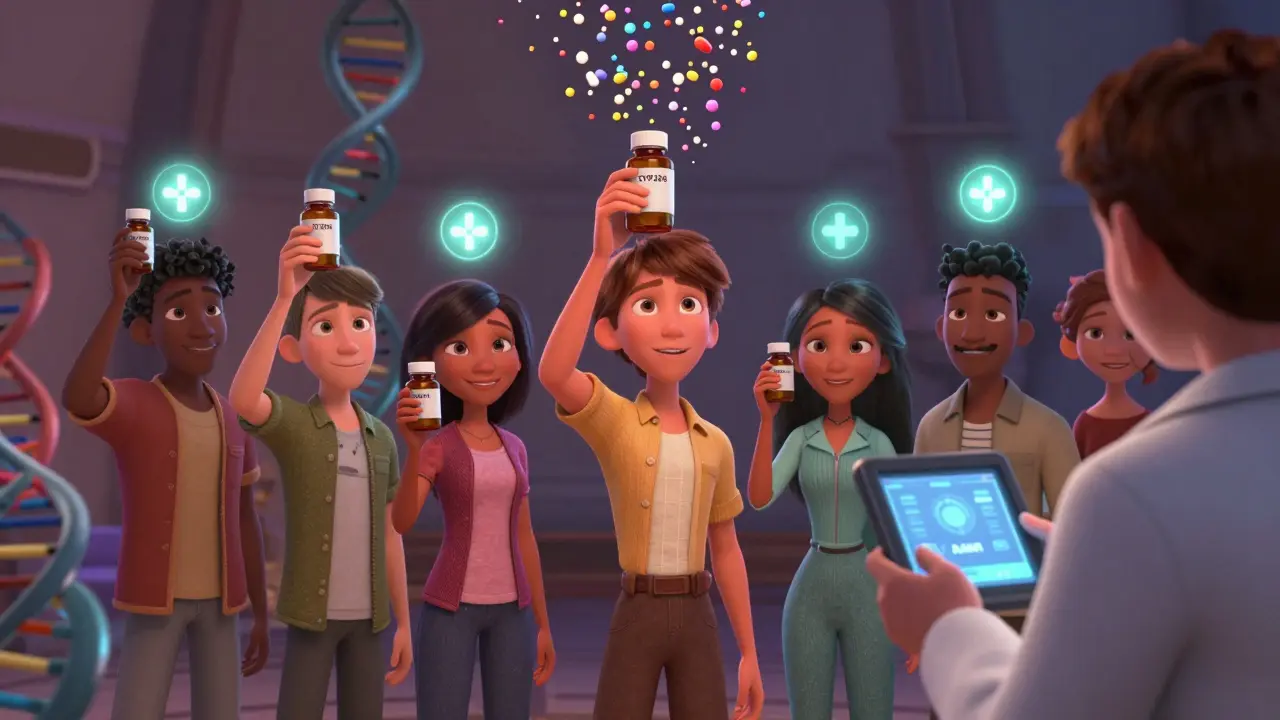
- Ask about genetic testing - If you’ve had bad reactions to meds before, or if you’re on multiple drugs, ask your doctor about CYP2D6 or CYP2C19 testing. Costs are $250-$500. Turnaround is 3-7 days. It’s worth it if it prevents hospitalization.
The Bigger Picture: Where This Is All Headed
Pharmacogenomics - using your genes to guide drug choices - is no longer science fiction. By 2024, 75% of major electronic health records (like Epic and Cerner) now have built-in CYP450 interaction alerts. Hospitals in the U.S. are starting to require genetic screening for certain drugs. The FDA now demands CYP450 interaction data for every new drug approval. And AI tools like IBM Watson are being trained to predict interactions with 89% accuracy.
But adoption is still slow. Only 28% of primary care doctors routinely check for these interactions. Most still rely on memory or outdated charts. The gap between knowledge and practice is wide. And it’s costing lives.
By 2030, non-CYP450 pathways may handle 20% more drugs than they do now. But for now, CYP450 is still the gatekeeper. And if you’re taking more than three medications, you’re playing Russian roulette with your liver enzymes.
Medication safety isn’t just about taking pills correctly. It’s about understanding how they fight for space inside your body. The right questions - asked at the right time - can save you from a hospital bed, a seizure, or worse.
Can I just avoid all drug interactions by stopping supplements?
No. Even common supplements like St. John’s wort, garlic, or grapefruit juice can interfere with CYP450 enzymes. St. John’s wort reduces levels of birth control, antidepressants, and transplant drugs by up to 60%. Garlic can thin your blood and interfere with warfarin. Grapefruit juice can cause statin toxicity. You can’t assume supplements are safe just because they’re natural. Always check with your pharmacist.
Why don’t doctors test for CYP450 genes more often?
Cost, time, and lack of training. Testing costs $250-$500 and takes days for results. Most primary care doctors don’t have the time or expertise to interpret the results. Also, insurance doesn’t always cover it. But if you’ve had unexplained side effects or treatment failures, it’s worth asking. Some hospitals now offer testing for patients on five or more medications.
Are over-the-counter drugs safe with prescription meds?
No. Many OTC drugs interact. For example, dextromethorphan (in cough syrup) is processed by CYP2D6. If you’re on an SSRI like fluoxetine - which blocks CYP2D6 - you can build up toxic levels and develop serotonin syndrome. Even antacids like omeprazole can interfere with clopidogrel. Never assume OTC means safe.
How do I know if a drug is a CYP450 substrate?
Check the drug’s prescribing information. Look for sections titled “Drug Interactions” or “Metabolism.” If it says the drug is metabolized by CYP3A4, CYP2D6, or CYP2C9, it’s a substrate. Common ones include simvastatin, sertraline, warfarin, and codeine. If you’re unsure, ask your pharmacist to look it up. They have access to databases that flag these automatically.
Is there a tool I can use at home to check for interactions?
Yes. Apps like Medscape, Epocrates, and WebMD’s Drug Interaction Checker are free and reliable. You can enter all your medications - including supplements - and get instant warnings. But don’t rely on them alone. Always confirm with a pharmacist. These tools miss some herbal interactions and genetic factors. They’re a first line of defense, not the final answer.
What to Do Next
If you’re on three or more medications, take 10 minutes today. Write down every pill, patch, capsule, and supplement you take. Then call your pharmacy. Ask: “Which of these could be competing for the same liver enzyme?” Don’t wait for a reaction. Don’t assume your doctor knows. CYP450 interactions are silent killers. They don’t show up on blood tests. They don’t cause pain until it’s too late. But they’re predictable. And they’re preventable. Your life might depend on asking the right question - before it’s too late.




Annette Robinson
January 8, 2026 AT 03:42I’ve seen this happen with my mom-she was on simvastatin and started taking clarithromycin for a sinus infection. One week later, she couldn’t walk without her legs feeling like jelly. Turned out her CK levels were through the roof. No one warned her. No one even asked about her supplements. It’s terrifying how little we’re told about what’s really happening inside our bodies.
Luke Crump
January 8, 2026 AT 05:10So let me get this straight-we’re all just biological traffic jams waiting to happen? Our livers are like a 3am subway station where every drug is trying to shove its way through while the turnstiles are rusted shut? And we’re supposed to just… trust our doctors? Who haven’t been trained in this since med school in 2003? This isn’t medicine. This is evolutionary roulette with a side of corporate negligence.
Manish Kumar
January 8, 2026 AT 14:00You know, in India, we’ve been dealing with this for decades without fancy apps or genetic testing. People take five medicines at once because they can’t afford to see specialists, and they rely on pharmacists who’ve been doing this for 30 years. I’ve seen my uncle take fluoxetine with metoprolol and never have an issue-because he doesn’t take grapefruit juice, doesn’t use St. John’s wort, and his body just… handles it. Maybe the problem isn’t the enzymes-it’s the overprescribing culture in the West. We treat the body like a machine that needs constant tuning, when sometimes it just needs rest and simplicity.
Prakash Sharma
January 10, 2026 AT 11:35Western medicine is a joke. You people pay $500 to test your genes when in India we’ve known for generations that certain foods and herbs interact with medicine. Our grandmothers knew grapefruit was dangerous with heart pills long before the FDA issued a warning. You spend billions on AI tools while ignoring traditional knowledge. This isn’t science-it’s arrogance wrapped in white coats.
Donny Airlangga
January 10, 2026 AT 20:50I work in a clinic and see this daily. A guy comes in on 7 meds, says he’s fine, then says ‘oh yeah I also take turmeric capsules for inflammation.’ Turmeric inhibits CYP3A4. He’s on a statin. He’s lucky he hasn’t had rhabdo yet. No one’s asking the right questions. It’s not the patient’s fault-they’re not trained. It’s the system’s failure.
Kristina Felixita
January 12, 2026 AT 10:18OMG YES!! I just found out my melatonin was messing with my blood pressure med because of CYP3A4?? I’ve been taking it for years and never thought twice!! I’m calling my pharmacist right now!! This post saved me!!
Joanna Brancewicz
January 13, 2026 AT 15:44CYP3A4 fm >0.8 + strong inhibitor = high risk. CYP2D6 poor metabolizer + codeine = pediatric fatality risk. FDA Class X interactions require preemptive genotyping. Pharmacogenomic integration remains suboptimal in primary care.
Lois Li
January 14, 2026 AT 11:31I’m so glad someone finally talked about this. I’ve had three different meds fail on me over the years-no one ever connected the dots. I thought I was just ‘sensitive.’ Turns out I’m a CYP2C19 poor metabolizer. I wish someone had told me earlier. You’re not broken. Your body just works differently. And that’s okay. Ask for the test. It’s not expensive. It’s not complicated. It’s just… not routine. But it should be.
christy lianto
January 14, 2026 AT 23:16STOP. Just STOP. If you’re on more than three meds, you’re playing with fire. I had a friend die from serotonin syndrome because she took dextromethorphan with her SSRI. She thought it was ‘just a cough syrup.’ It wasn’t. It was a silent bomb. Don’t wait for a seizure. Don’t wait for the ER. Write down everything. Call your pharmacist. TODAY. Your life isn’t a gamble.
Ken Porter
January 16, 2026 AT 05:59Another overblown article. People have been taking meds together for decades. Most are fine. The system works. If you’re having side effects, maybe you’re the problem, not the enzymes.
swati Thounaojam
January 17, 2026 AT 00:00i never knew grapefruit could do that… i drink it every morning with my pill… oh no
Aubrey Mallory
January 17, 2026 AT 21:44Ken, you’re missing the point. This isn’t about ‘most people being fine.’ It’s about the ones who aren’t. The 7% of CYP2D6 poor metabolizers who overdose on codeine. The 60% of Asians who get no benefit from clopidogrel. The 15-year-old who dies because her mom didn’t know St. John’s wort made her birth control useless. We don’t need to ignore risk-we need to stop pretending it’s rare.
Dave Old-Wolf
January 19, 2026 AT 10:45Wait so if I’m on blood pressure meds and take ibuprofen for headaches, is that bad? I thought that was safe…
Molly Silvernale
January 21, 2026 AT 03:55Our bodies are not machines-they’re ecosystems. And we’ve been treating them like factories that can be overclocked, overburdened, and ignored until they explode. CYP450 enzymes? They’re not just proteins-they’re the quiet guardians of balance, the unsung heroes working overtime while we pop pills like candy. And yet, we don’t even thank them. We don’t even learn their names. We just keep feeding them more, faster, louder-until one day, the turnstile jams, and the whole system collapses. And then we wonder why we’re in the hospital.