
How to Teach Teens to Manage Their Own Prescription Medications
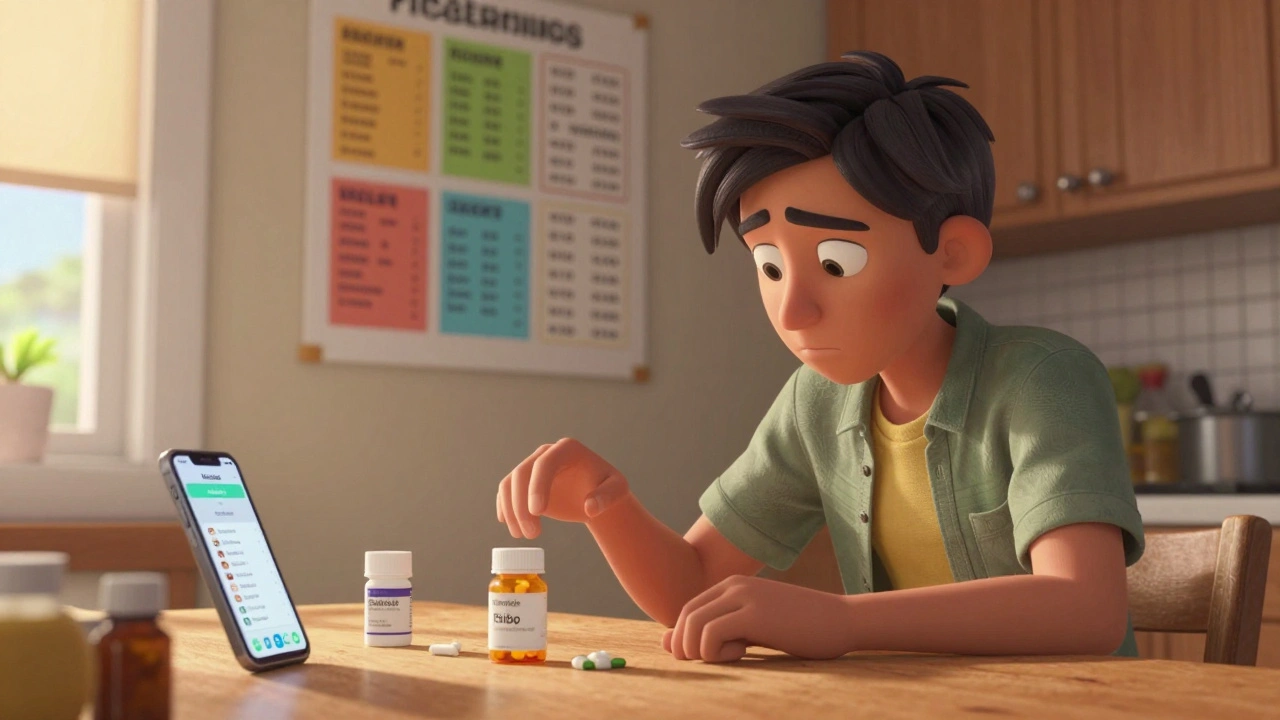
Teens are growing up fast. One day they’re asking you to remind them to take their ADHD meds; the next, they’re leaving for college with a backpack full of pills and no idea how to refill them. This isn’t just a parenting challenge-it’s a health emergency waiting to happen. According to the 2022 Monitoring the Future study, 14% of high school seniors have misused prescription drugs. That’s more than one in seven. And most of them didn’t start with street drugs-they started with a pill from their own medicine cabinet.
Teaching teens to manage their own medications isn’t about handing over control. It’s about building skills-step by step-so they don’t just survive adulthood, they thrive in it. The goal isn’t to make them independent overnight. It’s to make them responsible, informed, and confident before they walk out the door for good.
Start Early-Don’t Wait Until College
Many parents think, “They’re still kids. I’ll handle it.” But by the time they’re 17, it’s too late to start from scratch. Experts recommend beginning the transition in 10th grade. That’s when teens are old enough to understand why a medication matters, but still young enough to need your guidance.
Here’s how it works: In 10th grade, focus on identification. Sit down with your teen and go through every pill bottle. Ask: What’s this for? When do you take it? What happens if you skip it? Don’t assume they know. A 2020 University of Michigan study found that nearly 40% of teens couldn’t correctly name the purpose of their own medication.
Use this moment to explain side effects, interactions, and what to do if they feel weird after taking a pill. Make it real. Say: “If you take this painkiller with alcohol, your liver gets stressed. That’s not just a warning on the label-it’s something that can land you in the ER.”
Build a Routine That Sticks
Teens don’t forget because they’re lazy. They forget because their brains are wired for novelty, not repetition. That’s why tying medication to existing habits works better than alarms alone.
Research from the University of Rochester Medical Center shows that pairing meds with daily routines like brushing teeth, eating breakfast, or charging your phone boosts adherence by 37%. So if your teen takes their asthma inhaler every morning after brushing, they’re far more likely to remember it than if they’re just told to “take it at 8 a.m.”
Try this: Create a visual schedule. Use a whiteboard or a simple app like Medisafe or MyMeds. Let them pick the app-it gives them ownership. These tools send reminders, track doses, and even alert parents if a pill is missed. Studies show teen users of these apps improve adherence by 28%.
But here’s the catch: Don’t just set the alarm. Make sure they know what to do when the alarm goes off. Teach them to open the pill organizer, take the pill, and immediately close the container. That physical action reinforces memory.
Teach Them to Talk to Doctors
Most teens never ask questions during doctor visits. They sit quietly, nod, and leave confused. That’s dangerous.
Start role-playing now. Practice with them: “What would you say if your doctor says, ‘We’re increasing your dose’?” Teach them to ask: “Why this dose? What if I feel worse? What should I watch for?”
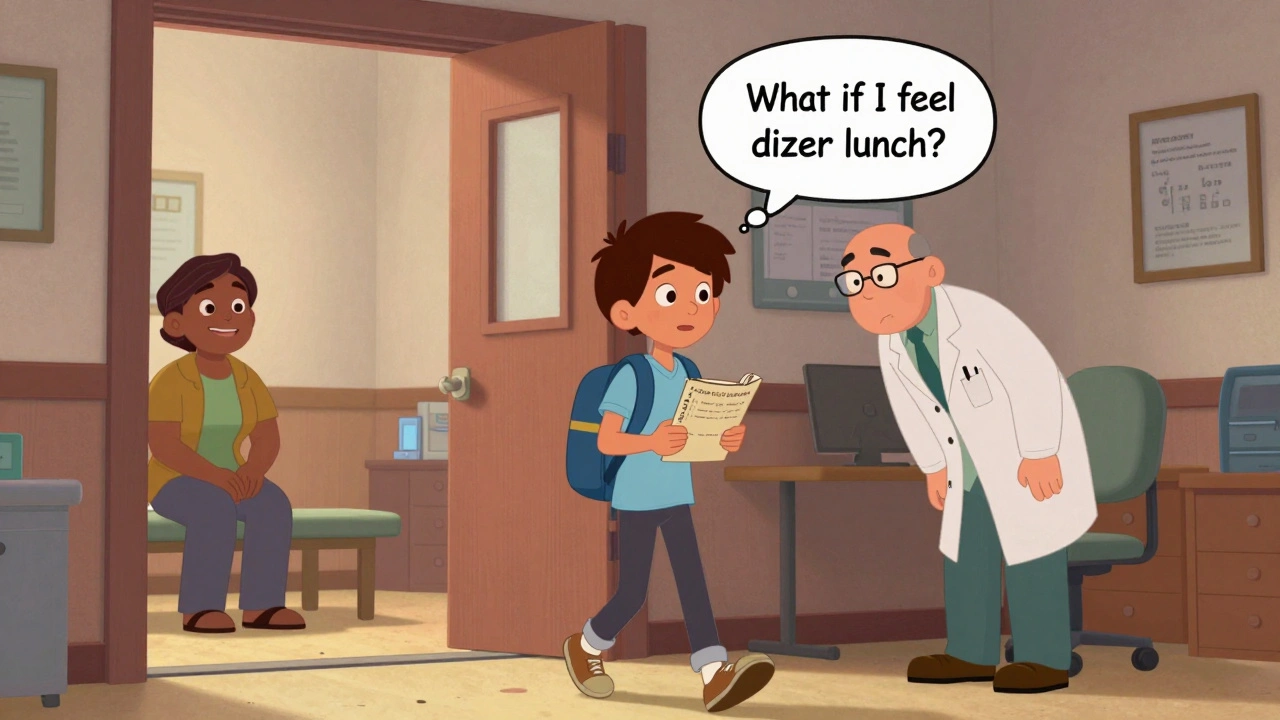
Encourage them to write down questions before appointments. Give them the script: “I’ve been taking this for three weeks. I feel less tired, but I get dizzy after lunch. Is that normal?”
By 11th grade, let them go into the exam room alone for the last five minutes. You can wait outside. This isn’t about cutting ties-it’s about building confidence. Teens who speak up during appointments are 50% more likely to follow their treatment plan, according to a 2019 review from Boston Children’s Hospital.
Keep Controlled Substances Locked Down
Not all medications are created equal. Painkillers like oxycodone, ADHD meds like Adderall, and anxiety drugs like Xanax are the most commonly misused by teens. And they’re often stolen from home.
Aetna’s 2021 guidelines are clear: Store these in a locked box-not just a drawer. Use a small lockbox from the pharmacy or even a combination safe. Keep the key or code with you. If your teen needs to take one of these to school, give them one dose at a time in a labeled pill case. Never hand over the whole bottle.
And never assume they’re “responsible.” Even the most reliable teen can be tempted by peer pressure, stress, or the myth that “it’s safer than weed.” The DEA says 70% of teens believe prescription drugs are less dangerous than illegal ones. That’s a lie. And it’s costing lives.
Dispose of Unused Pills-Immediately
Leftover pills are a ticking time bomb. A 2022 DEA report found that nearly 60% of teens who misused prescription drugs got them from friends or family-often from unused medicine in the home.
Don’t flush them. Don’t throw them in the trash. Use a pharmacy take-back program. There are over 14,000 drop-off locations across the U.S. You can find one near you by visiting dea.gov or calling your local pharmacy.
Make it a habit: Every time your teen finishes a prescription, go to the pharmacy together and return the leftovers. Teach them this isn’t just safe-it’s responsible.
Use Check-Ins, Not Surveillance
Parental oversight is essential-but micromanaging kills trust. The goal isn’t to catch them slipping. It’s to help them succeed.
The National Kidney Foundation recommends a three-phase approach:
- Supervised (10th grade): You hand them the pill. They take it in front of you.
- Verified (11th grade): They take it alone, but text you a photo of the empty pill slot or check off the app.
- Spot-checked (12th grade): You randomly ask, “Did you take your pill today?” and they show you the log.
This builds accountability without control. Teens who feel trusted are more likely to stay honest. A 2021 study in the Journal of Adolescent Health found that teens with a “medication partner”-a parent, sibling, or friend who checks in-had 22% higher adherence than those who went it alone.
Get Peer Support Involved
Teens listen to their friends more than their parents. So find a way to turn medication management into a team effort.
Encourage them to find a trusted friend who also takes meds. They can remind each other, share tips, and even vent about how annoying it is. No judgment. Just support.
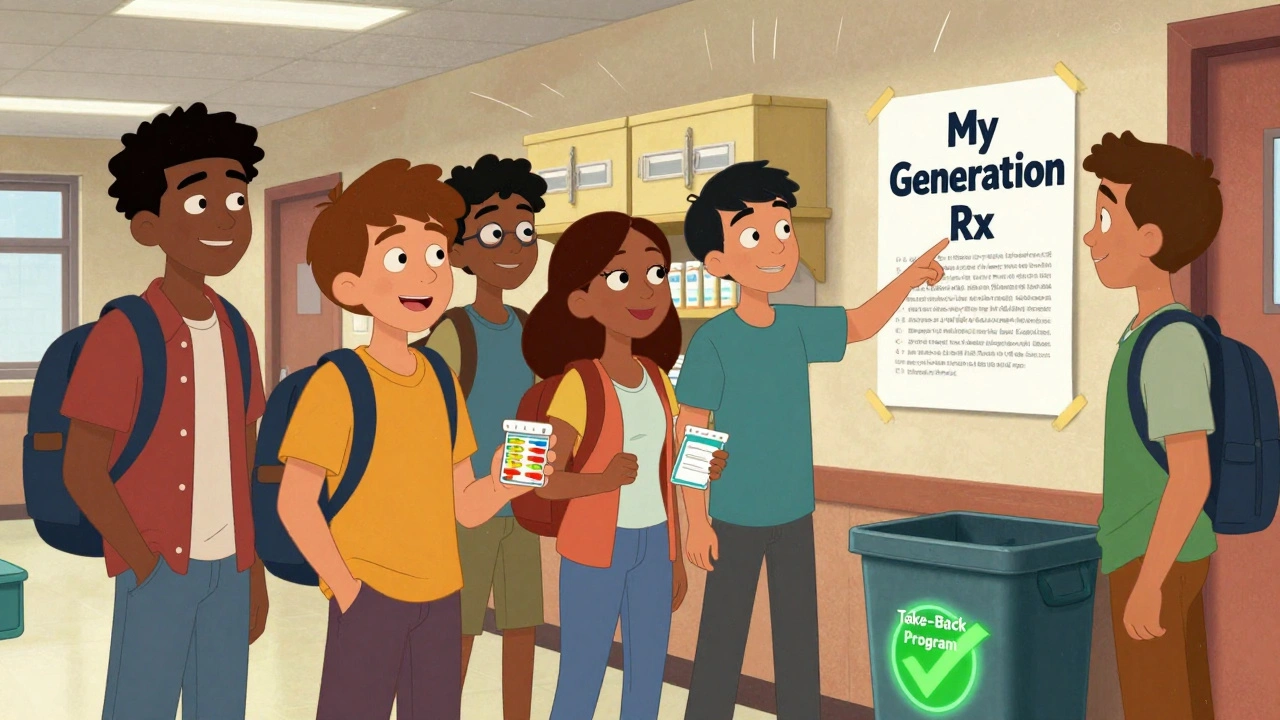
Some schools now offer programs like “My Generation Rx,” which teaches teens how to say no to peer pressure around meds. Schools using this curriculum saw a 33% drop in prescription misuse in 2022.
If your teen’s school doesn’t have it, ask them to start it. Bring the curriculum from GenerationRx.org. It’s free, evidence-based, and designed for teens-not adults.
Track Progress, Not Perfection
There will be missed doses. There will be forgetfulness. There will be days when your teen says, “I don’t need this anymore.” That’s normal. It doesn’t mean they’ve failed.
Instead of punishing mistakes, ask: “What made it hard?” Did they forget because they stayed up late? Did they skip it because they felt embarrassed taking it in front of friends? Use those moments to adjust the plan-not the person.
Keep a simple log: A notebook, a spreadsheet, or the app’s built-in tracker. Review it monthly. Celebrate streaks. Talk about slip-ups without shame. This isn’t about being perfect. It’s about building resilience.
What Comes Next? The Real Test
By senior year, your teen should be able to:
- Identify every medication they take and why
- Set up and use a reminder system without help
- Request refills from the pharmacy
- Call their doctor with concerns
- Store meds safely and dispose of leftovers
- Refuse offers to share or misuse prescription drugs
That’s not just responsibility. That’s independence.
And when they leave for college? You won’t be there to remind them. But if you’ve done this right, they won’t need you to. They’ll know what to do-because they’ve practiced it. Again and again.
The cost of not teaching this? $290 billion a year in avoidable healthcare costs, according to JAMA Internal Medicine. The cost of teaching it? A few hours a month. And a lifetime of safety for your child.
At what age should I start teaching my teen to manage their own meds?
Start in 10th grade, around age 15 or 16. That’s when teens have the cognitive skills to understand why meds matter, but still need adult guidance. Waiting until college is too late-most misuse starts before graduation.
What if my teen refuses to take their medication?
Don’t force it. Ask why. Are they embarrassed? Do they feel fine and think they don’t need it? Are they scared of side effects? Listen first. Then work with their doctor to adjust the plan-maybe switch to a once-daily pill or a different form, like a patch or liquid. Sometimes the issue isn’t rebellion-it’s poor fit.
Are medication apps safe for teens to use?
Some are, some aren’t. Only 22% of teen medication apps have been clinically validated. Stick to well-known, trusted tools like Medisafe, MyMeds, or Apple Health with medication tracking. Avoid random apps from unknown developers. Always check reviews and whether the app is recommended by a hospital or health system.
How do I know if my teen is misusing their prescription?
Watch for signs: missing pills, secretive behavior, mood swings, declining grades, or sudden changes in friends. If your teen is taking more than prescribed, sharing pills, or using them for non-medical reasons (like staying awake or getting high), that’s misuse. Talk to their doctor immediately. Don’t wait for a crisis.
Should I let my teen carry their meds to school?
Only if absolutely necessary, and only with school approval. Most schools require meds to be kept in the nurse’s office. If your teen needs to take something during the day (like an inhaler or EpiPen), work with the school to create a plan. Never let them carry opioids, stimulants, or benzodiazepines without strict supervision.
What’s the biggest mistake parents make?
Waiting too long. Many parents keep full control until the teen leaves for college-then panic when they miss doses or get sick. The biggest mistake isn’t being too strict. It’s being too late. Start early, build skills slowly, and let them earn trust. That’s how you prevent problems before they start.
Anna Roh
December 8, 2025 AT 13:56So basically we’re turning teens into pharmacists before they can legally rent a car? Cool. I’m sure they’ll love juggling prescriptions while trying to pass algebra and survive prom.
om guru
December 8, 2025 AT 21:15Teaching medication management is essential for adolescent development. Start early. Build routine. Encourage autonomy. Support with technology. Ensure safety. This approach is evidence based and prudent.
Delaine Kiara
December 10, 2025 AT 15:09Okay but have you seen what happens when a teen gets hold of Adderall and a TikTok algorithm? 😭 I know a girl who started with her brother’s ADHD meds and now she’s in rehab and her mom’s suing the school because ‘they didn’t monitor the medicine cabinet hard enough’ 🤦♀️
And don’t even get me started on the ‘med apps’-I downloaded one and it sent me a notification at 3 a.m. saying ‘YOUR PILL IS LATE’ like I’m a robot in a sci-fi movie. I screamed. My cat cried.
Darcie Streeter-Oxland
December 11, 2025 AT 02:00It is regrettable that parental responsibility has been outsourced to digital applications. The reliance on Medisafe or MyMeds suggests a decline in familial oversight. Furthermore, the normalization of teen autonomy in pharmaceutical management may undermine the medical authority of prescribing physicians. A more cautious approach is warranted.
Andrea Petrov
December 12, 2025 AT 04:10Let me guess-the government is pushing this so they can track every pill a teen takes. Next thing you know, the DEA will have a live feed to their pill organizer. And don’t tell me it’s ‘for safety.’
Remember when they said ‘just wear a mask’? Now they want us to install spyware in our kids’ medicine cabinets. Who’s really behind this? Big Pharma? The school district? The app developers who sell your data?
My daughter’s asthma inhaler is in a locked box… because I don’t trust the pharmacy. Or the school nurse. Or the ‘trusted friend’ who might ‘accidentally’ take it for a buzz.
Haley P Law
December 12, 2025 AT 21:30MY KID JUST TOOK HER OWN PRESCRIPTION FOR THE FIRST TIME WITHOUT ME WATCHING 😭 I CRIED. I WASN’T READY BUT SHE WAS. SHE TOOK THE PILL, TOOK A SELFIE WITH THE EMPTY BOTTLE, AND SENT ME A TEXT THAT SAID ‘I GOT THIS MOM.’
THANK YOU FOR WRITING THIS. I’M SO PROUD. 🥹💖
Andrea DeWinter
December 14, 2025 AT 19:43Start with the why not the how. Teens need to understand why their meds matter, not just when to take them. I worked with a 16-year-old with epilepsy who didn’t know seizures could kill her. Once she understood, she started tracking doses on her own. No apps. No reminders. Just knowledge.
Also-don’t assume all teens are the same. Some need structure. Others need freedom. Let them help design the system. Ownership beats compliance every time.
And yes, lock up the Adderall. But also talk about why people want to use it. Peer pressure isn’t just about weed-it’s about performance, anxiety, fitting in. Address the root, not just the pill.
Steve Sullivan
December 16, 2025 AT 07:04bro this whole thing is like… parenting in 2025 is just being a human-shaped pharmacy assistant with emotional intelligence
we used to just say ‘take your vitamins’ and now we’re teaching teens to negotiate with doctors, avoid DEA raids on their nightstand, and text proof of pill consumption like it’s a crypto transaction
also-why are we letting apps track meds but not letting teens have a real conversation with their doctor without a parent in the room? the real skill is autonomy, not compliance
also also-my cousin took her ADHD meds to a party once and said ‘it’s just like coffee’ and i cried for 2 hours
we’re doing it wrong. we’re training kids to be responsible… but not to think.