Hatch-Waxman Act: How It Shapes Generic Drugs and Drug Access
When you pick up a generic version of your prescription, you’re benefiting from the Hatch-Waxman Act, a 1984 U.S. law that created a legal pathway for generic drugs to enter the market without repeating expensive clinical trials. Also known as the Drug Price Competition and Patent Term Restoration Act, it’s the reason you can buy metformin, lisinopril, or ibuprofen for pennies instead of dollars.
The law was built on a simple trade-off: drug companies get extra time to protect their brand-name drugs — up to five extra years of market exclusivity — in exchange for letting generics come in faster after patents expire. This isn’t just paperwork; it’s what keeps millions of people on life-saving meds they can actually afford. Without it, generics might take decades to appear, and prices would stay sky-high. The FDA, the agency responsible for approving all prescription drugs in the U.S. uses the Hatch-Waxman framework to review generic applications, making sure they’re just as safe and effective as the original — no matter how cheap they are.
It also created the orphan drug exclusivity, a special protection for medicines treating rare diseases, which shows up in posts about rare-condition treatments. And while the Act didn’t solve every problem — like combo drug substitution or patent evergreening — it gave patients real leverage. Today, over 90% of prescriptions filled in the U.S. are generics, and most of that shift happened because of this one law.
You’ll find posts here that tie directly to Hatch-Waxman’s legacy: how generic drugs compare to brand names, why pharmacists sometimes can’t swap combination pills, and how drug labels reflect FDA approval standards. These aren’t random articles — they’re all connected to the system Hatch-Waxman built. Whether you’re paying out of pocket, on Medicaid, or just trying to understand why your pill looks different this month, this law is the invisible hand behind your medicine cabinet.
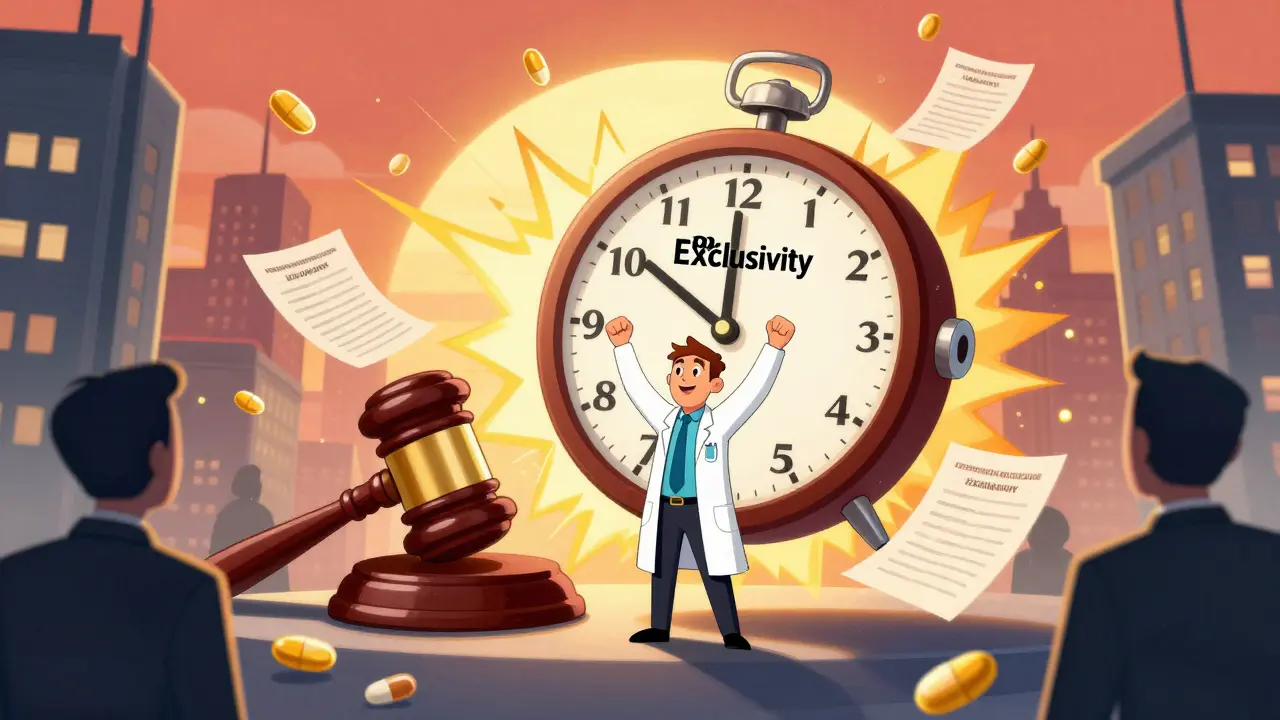
180-Day Exclusivity: How Patent Law Controls Generic Drug Market Entry
The 180-day exclusivity rule under the Hatch-Waxman Act gives the first generic drug company to challenge a patent a temporary monopoly. But delays in launching the drug can block competition for years - hurting patient access and drug prices.
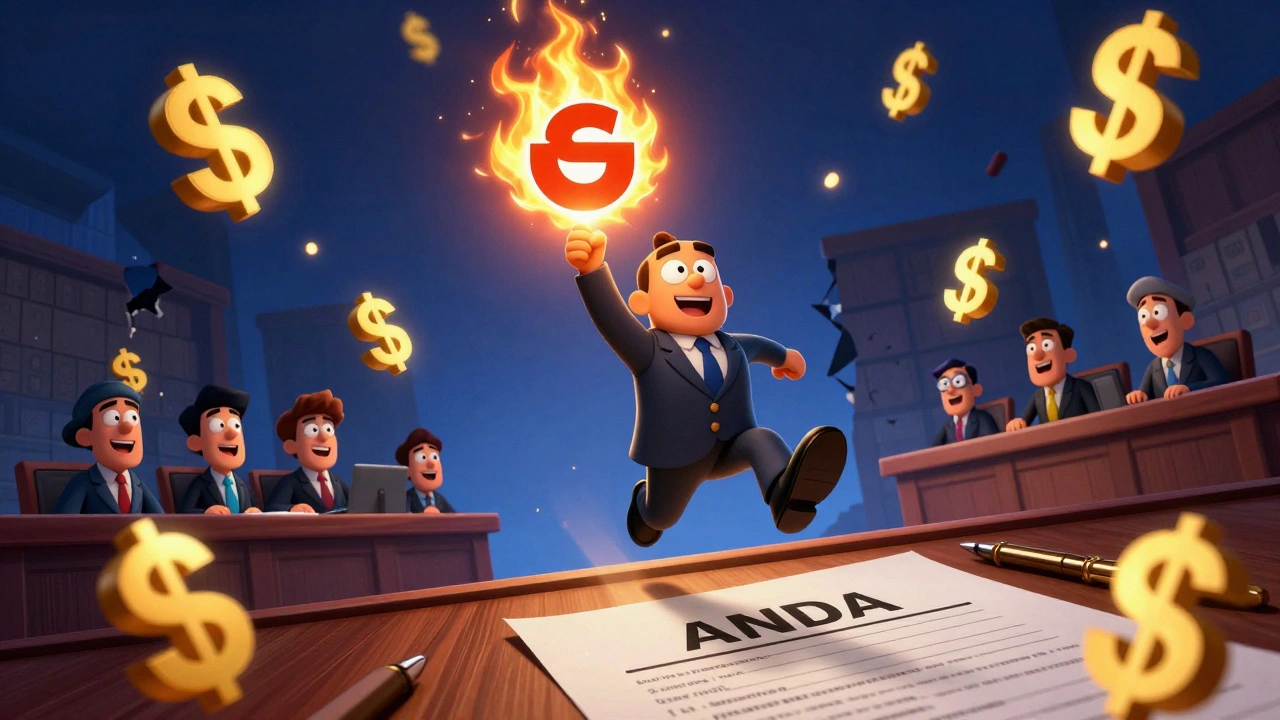
Paragraph IV Certifications: How Generic Drug Makers Legally Challenge Pharma Patents
Paragraph IV certifications let generic drug makers legally challenge brand-name patents before launch. This Hatch-Waxman tool saves billions annually and gives the first challenger 180 days of exclusive sales-if they navigate the legal minefield correctly.
Categories
- Medications (77)
- Health and Medicine (67)
- Health and Wellness (38)
- Online Pharmacy Guides (16)
- Nutrition and Supplements (9)
- Parenting and Family (3)
- Environment and Conservation (2)
- healthcare (2)
- prescription savings (1)
Popular Articles