FDA Excipients: What They Are and Why They Matter in Your Medications
When you take a pill, most of what’s inside isn’t the medicine you’re after—it’s something called an FDA excipients, inactive ingredients approved by the U.S. Food and Drug Administration to help deliver the active drug safely and effectively. Also known as inactive ingredients, these substances hold the tablet together, help it dissolve at the right time, or keep it from breaking down too soon. They’re not meant to treat anything, but they’re just as important as the drug itself.
Think of excipients like the frame of a house. You don’t live in the frame, but without it, the walls, roof, and windows wouldn’t stay in place. In pills, excipients like lactose, cellulose, or magnesium stearate help the drug stay stable, make it easier to swallow, or control how fast it’s absorbed. Some people don’t realize that even though these ingredients don’t have a therapeutic effect, they can still cause reactions. If you’re allergic to dairy, for example, lactose in a pill could trigger symptoms. Or if you have a sensitive stomach, certain fillers might cause bloating or diarrhea. The FDA tracks these ingredients closely because safety isn’t just about the active drug—it’s about the whole package.
Excipients also play a big role in how generic drugs compare to brand-name ones. Even when two pills have the same active ingredient, differences in excipients can change how fast the drug gets into your bloodstream. That’s why switching from a brand to a generic sometimes feels different—even though the FDA says they’re equivalent. Some people notice it; others don’t. But when it comes to drugs with narrow therapeutic windows—like blood thinners or seizure meds—even small changes in absorption can matter. That’s why pharmacists and doctors pay attention to the full formula, not just the active ingredient.
Behind every pill is a long process of testing excipients for safety, stability, and compatibility. The FDA doesn’t just approve the drug—it approves the entire formulation, including every filler, dye, and coating. That’s why you can’t just swap out ingredients in a prescription without review. Even something as simple as changing the binder in a tablet can affect how the drug works. And with the rise of specialty drugs and complex delivery systems like patches and injectables, excipients are becoming even more critical. A poorly chosen additive could cause irritation, reduce shelf life, or even trigger immune reactions.
What you’ll find in the posts below are real-world guides on how to spot these hidden ingredients, understand why they’re there, and recognize when they might be affecting your health. From reading prescription labels to knowing which additives to avoid, these articles give you the tools to ask better questions and take more control over what’s really in your medicine. You’re not just taking a pill—you’re taking a carefully engineered system. Knowing how it works helps you use it safely.
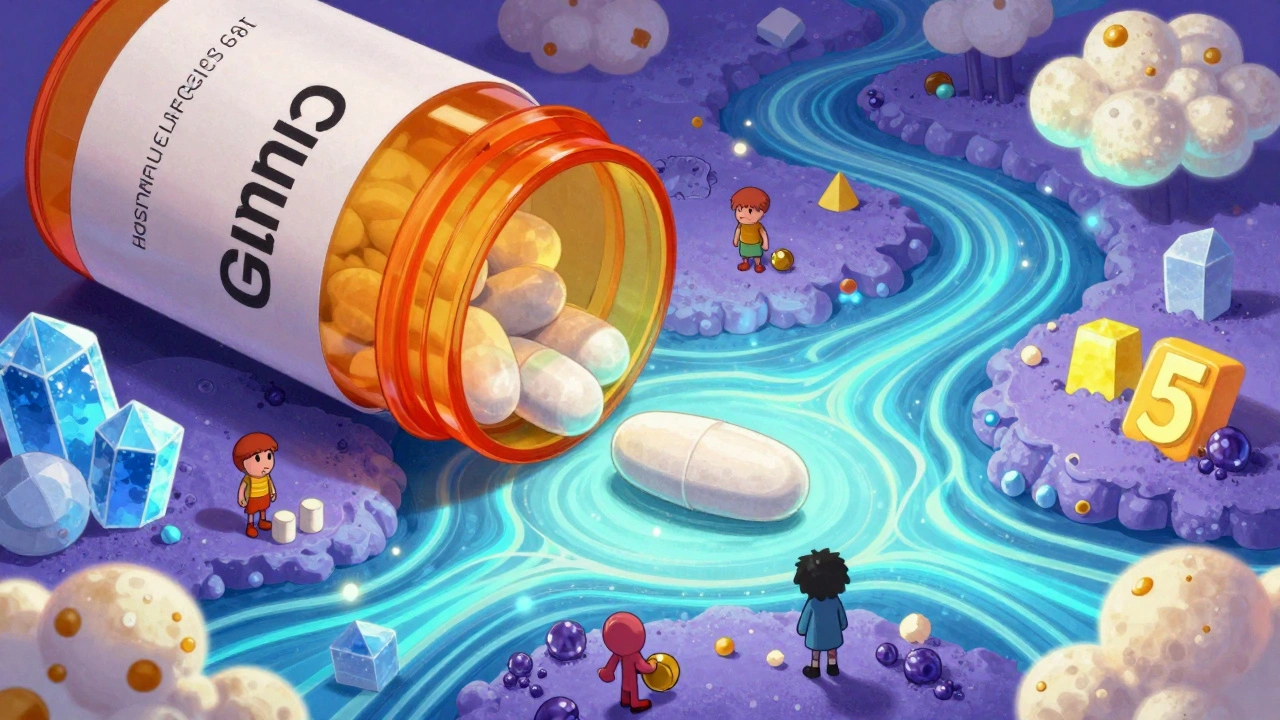
Excipients in Generics: How Inactive Ingredients Affect Tolerance and Health
Generic drugs save money but may contain different inactive ingredients that trigger allergies or intolerances. Learn how excipients like lactose, dyes, and preservatives can affect your health - and what to do about it.
Categories
- Medications (78)
- Health and Medicine (68)
- Health and Wellness (38)
- Online Pharmacy Guides (16)
- Nutrition and Supplements (9)
- Parenting and Family (3)
- Environment and Conservation (2)
- healthcare (2)
- prescription savings (1)