
Medical Alert Bracelets: When and Why They Matter for Drug Safety
Medical Alert Information Checker
Check Your Medical Alert Information
Enter the critical information you've included on your medical alert device. This tool will identify any missing information that could be life-saving in an emergency.
Every year, thousands of people end up in emergency rooms with life-threatening reactions because no one knew what medications they were taking. In the chaos of an emergency, you can’t speak. Your heart races. Your body reacts. And the people trying to save you have seconds to make decisions that could mean the difference between life and death. That’s where a simple metal band on your wrist becomes your most important piece of medical equipment.
What a Medical Alert Bracelet Actually Does in an Emergency
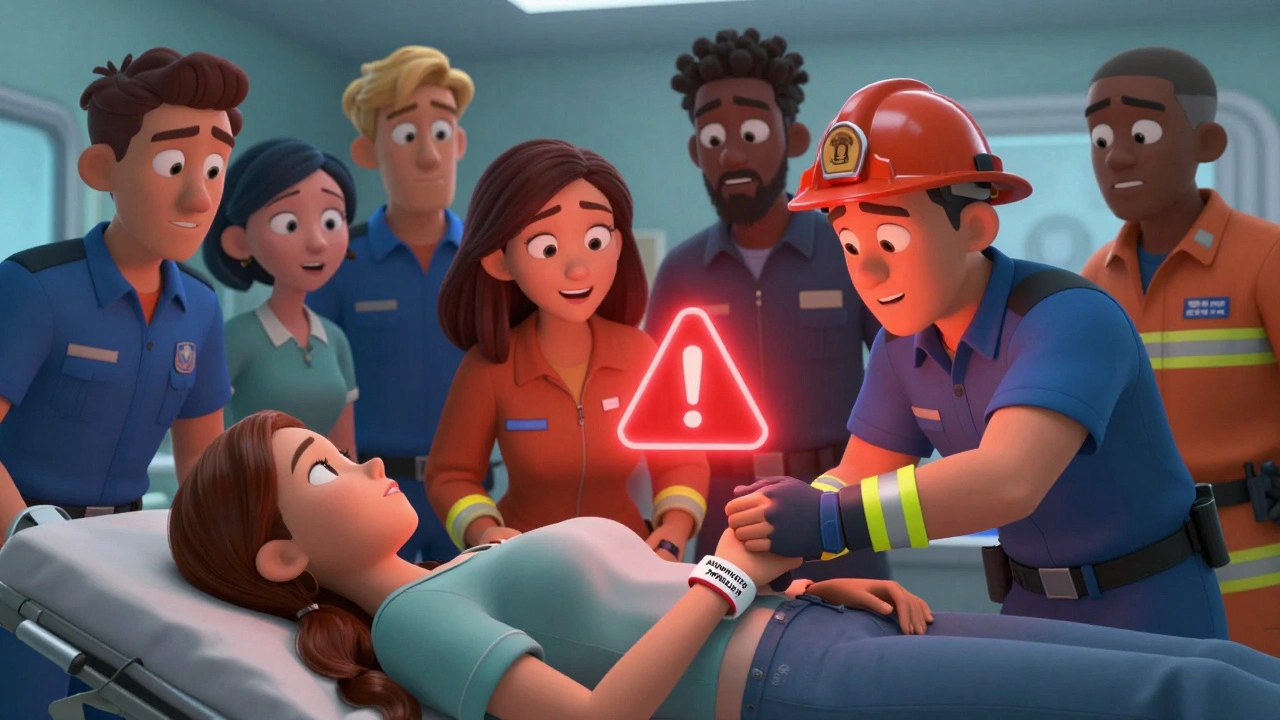
A medical alert bracelet isn’t just jewelry. It’s a silent emergency communicator. When you’re unconscious, disoriented, or unable to speak, first responders are trained to check your wrists and neck for these IDs. According to the American College of Emergency Physicians, they look for them as part of their standard protocol - right after checking your airway and pulse. The real power? It stops dangerous mistakes. A 2022 study in the Journal of Emergency Medicine found that nearly 37% of ER errors involve medications. That’s not a small number. That’s one in three mistakes tied to drugs - wrong dose, wrong drug, or a reaction no one knew about. A bracelet with clear, accurate info can cut that risk in half. Take blood thinners like warfarin. Over 2.9 million Americans take them. If you’re in a car crash and bleeding internally, giving you a common painkiller like ibuprofen could make you bleed out. But if your bracelet says “ON WARFARIN,” the ER team skips the risky meds and goes straight to safer alternatives. That’s not theory. It’s happening every day.What Information Actually Saves Lives
Not all information is created equal. First responders don’t have time to read paragraphs. They need quick, clear, prioritized facts. The standard order, backed by ACEP and MedicAlert, is:- Drug allergies - especially penicillin, latex, and NSAIDs. Penicillin alone affects 10% of the U.S. population. Anaphylaxis can kill in minutes.
- Critical medications - blood thinners, insulin, seizure meds, and heart drugs. These change how you’re treated. For example, if you’re diabetic and your bracelet says “TYPE 1 DIABETES, INSULIN DEPENDENT,” they won’t give you glucose unless you’re low. If you’re on insulin, giving you sugar without checking your level could be deadly.
- Chronic conditions - diabetes, epilepsy, heart failure. These help them understand your baseline. A seizure isn’t just a seizure if you have epilepsy - it’s a known pattern.
Engraved vs. QR Code: Which One Actually Works Better?
You’ve probably seen both. The classic stainless steel bracelet with tiny engraved letters. Or the sleek one with a QR code that links to a full digital profile. Traditional bracelets have limits. You get maybe 3-5 lines of text. If you’re on five medications, have two allergies, and have Type 2 diabetes, you’re forced to cut corners. One user told Consumer Reports: “My bracelet just said ‘ON BLOOD THINNERS.’ They still had to run tests to find out which one.” That’s dangerous. Ambiguity kills. QR code bracelets solve this. Since 2018, MedicAlert and others have offered digital profiles. Scan the code, and you see your full list: medication names, dosages, prescribing doctors, pharmacy info, even emergency contacts. Some even include your NDC drug codes - the exact national identifier used in hospitals. That means no confusion between brand and generic names. But here’s the catch: the QR code only works if the profile is updated. And that’s where most people fail.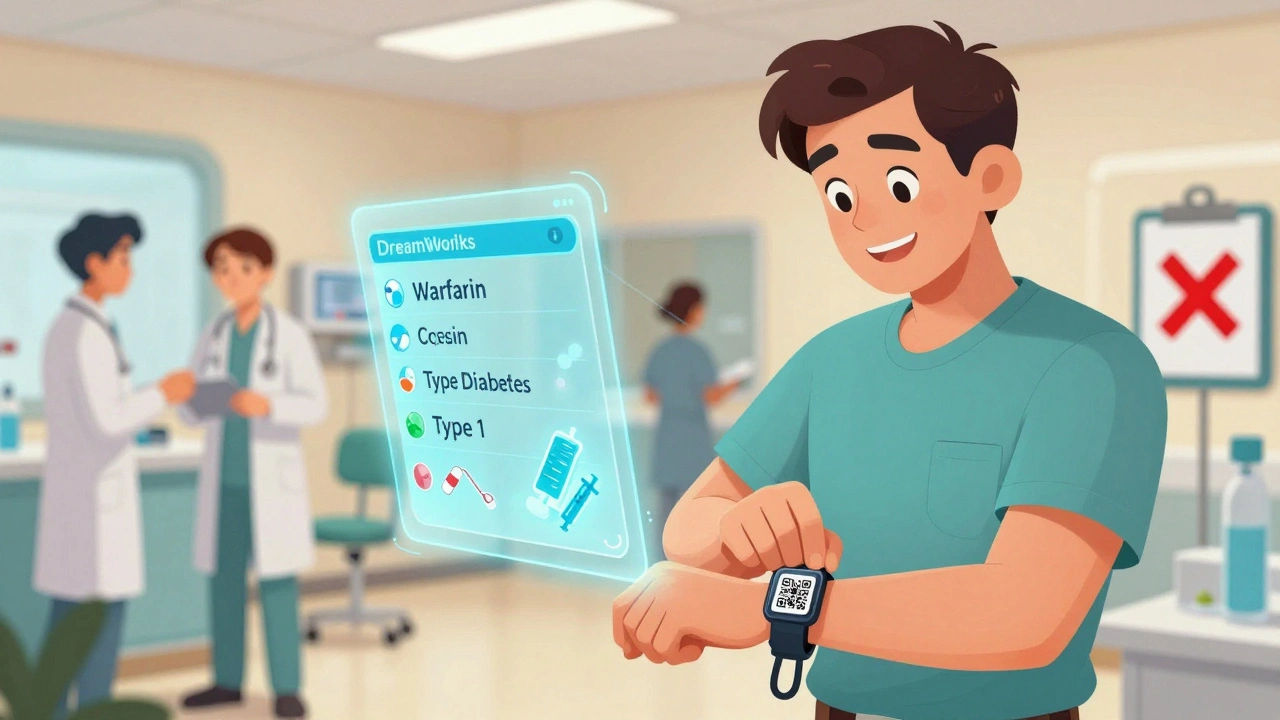
The Hidden Problem: Outdated Information
You buy the bracelet. You engrave it. You feel safe. Then you switch from warfarin to apixaban. You start a new antidepressant. You get a new allergy after a bee sting. You forget to update your bracelet. That’s not rare. The American Pharmacists Association says 35% of users never update their IDs after a medication change. A 2023 Johns Hopkins audit of 500 emergency cases found 19% of bracelets had outdated or incomplete info. One man’s bracelet still said “ASPIRIN ALLERGY” - even though he’d been on clopidogrel for years. The ER team hesitated, wasting precious minutes. This isn’t about laziness. It’s about complexity. People have 5-10 meds. Keeping track is hard. The fix? Use a digital profile with automatic alerts. MedicAlert’s SmartProfile, launched in January 2024, syncs with pharmacy systems. If your doctor changes your prescription, you get a notification: “Your bracelet info is out of date. Update now?”Real Stories: When the Bracelet Made the Difference
On Reddit, user ‘AllergicAmy’ wrote about her 2022 appendicitis emergency. She was rushed in, unconscious. The ER team was about to give her penicillin - a drug she’s had anaphylactic reactions to since childhood. Her bracelet said: “ANAPHYLACTIC TO PENICILLIN.” The nurse stopped. They switched antibiotics. She woke up safe. Trustpilot reviews for MedicAlert show 4.7 out of 5 stars from over 1,200 users. Sixty-three percent said they bought it for drug safety. One woman shared that after her bracelet listed her insulin dependence, paramedics skipped the IV fluids and gave her glucose - just in time. Another man said his bracelet stopped a nurse from giving him NSAIDs after he’d had a heart attack. “They didn’t know I was on clopidogrel,” he wrote. “My bracelet did.”Cost, Support, and What You Actually Need to Buy
You don’t need to spend a fortune. Basic engraved metal bracelets start at $49.99 from MedicAlert Foundation. QR code versions start at $69.99, but they require a $59.99 annual membership to keep your digital profile active. That’s not a scam - it’s how they maintain the database, send alerts, and support 24/7 emergency response teams. Medical Guardian’s 2025 system adds a personal alarm button that calls for help. It’s $29.95/month, but for seniors or those with complex meds, it’s worth it. Their data shows combining the bracelet with an alarm improves emergency response effectiveness by 41%. Customer service matters. MedicAlert scored 4.3/5 in J.D. Power’s 2024 study. Independent brands? Average 3.1/5. You’re not just buying a bracelet. You’re buying access to a network that can call your doctor, notify your family, and guide paramedics during a crisis.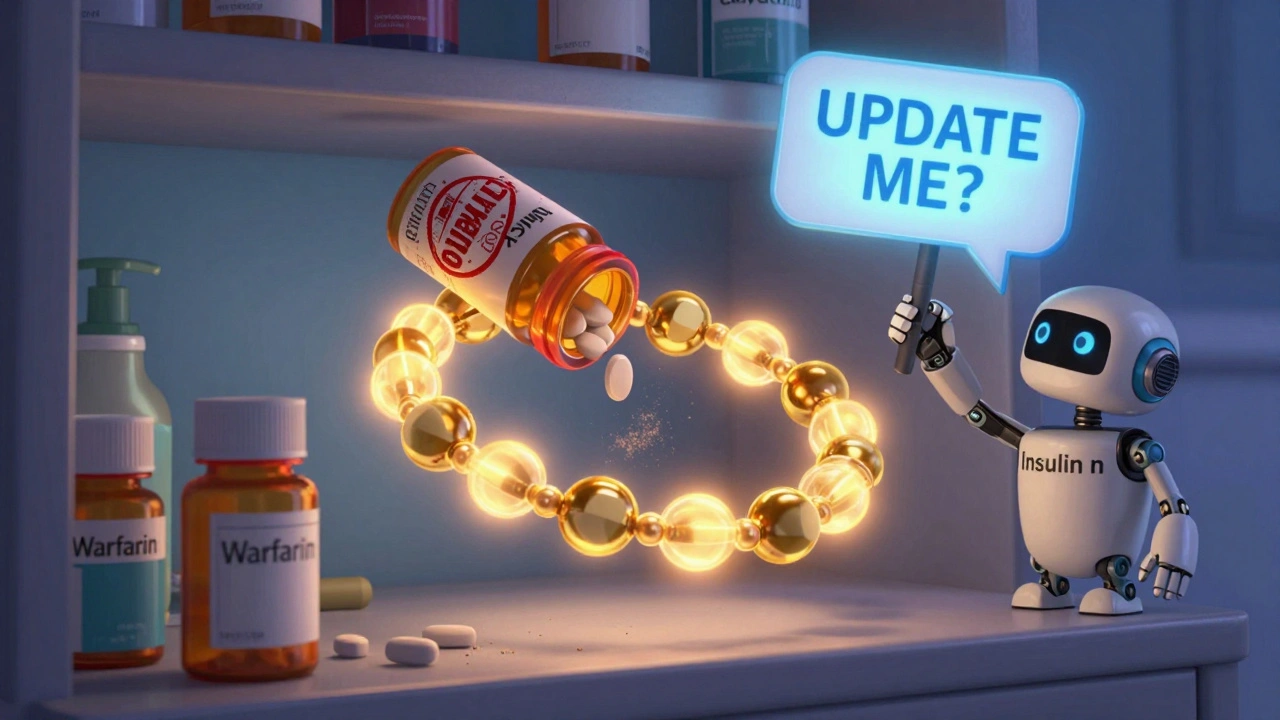
Who Really Needs One?
You don’t have to be old or sick to need one. If you take any of these, you’re in the high-risk group:- Any blood thinner (warfarin, rivaroxaban, apixaban, dabigatran)
- Insulin or other diabetes meds
- Anticoagulants or antiplatelets
- Seizure medications
- Any drug with a black box warning
- Known allergies to penicillin, sulfa, NSAIDs, or latex
- Heart conditions requiring specific meds
- 41% of warfarin users wear one
- 33% of severe allergy sufferers do
- 28% of diabetics have one
The Future: Smart Bracelets That Talk to Hospitals
The next leap isn’t just digital - it’s automatic. Epic Systems and Cerner, the two biggest hospital EHR platforms, are building API connections to medical ID profiles. When your doctor changes your meds, your bracelet updates itself. No manual entry. No forgetting. The FDA’s 2023 Medical ID Modernization Initiative is pushing for standardized formatting - so no matter which brand you buy, the info looks the same to first responders. That’s huge. Right now, some use abbreviations, some spell everything out. Standardization means faster recognition. And it’s working. Johns Hopkins’ 2024 modeling predicts that with full integration, medication errors in emergencies could drop by 35%. That’s tens of thousands of lives saved every year.What to Do Today
If you’re on any medication that could cause harm if misused in an emergency:- Get a medical alert bracelet - engraved or QR code. QR is better if you have multiple meds.
- Put the top 3 items on it: allergies, critical meds, chronic condition.
- Set up the digital profile. Update it every time your meds change.
- Set a calendar reminder every 3 months to check your info.
- Wear it every day. Even when you’re home. 73% of emergencies happen away from home.
Do medical alert bracelets really work in emergencies?
Yes. First responders are trained to look for them. In 89% of cases where a bracelet is present, emergency staff use the info correctly, according to GoodRx. Studies show they reduce medication errors by up to 28% in unconscious patients. Real-life cases prove they prevent deadly reactions, especially with allergies and blood thinners.
What if I have too many medications to fit on a bracelet?
Use a QR code bracelet. Traditional engraved ones only hold 3-5 key items. QR versions link to a full digital profile with all your meds, dosages, allergies, and doctor contacts. The bracelet itself only needs to say “MEDICAL ID” or your condition - the rest is online. Always keep the profile updated.
Are medical alert bracelets covered by insurance?
Most insurance plans don’t cover them directly. But some Medicare Advantage plans and health savings accounts (HSAs) allow reimbursement if you have a doctor’s note. Check with your plan. The cost - $50 to $70 upfront - is often worth it for the safety it provides.
Can I wear a medical alert bracelet if I’m young and healthy?
Absolutely. You don’t have to be elderly to need one. If you’re on blood thinners, insulin, seizure meds, or have severe allergies, age doesn’t matter. Even healthy people with rare conditions - like hereditary angioedema or autoimmune disorders - benefit. It’s not about age. It’s about risk.
What’s the difference between a medical alert bracelet and a smartwatch alert?
A smartwatch needs battery, signal, and you to press a button. A medical bracelet works even if your phone is dead, your watch is off, or you’re unconscious. First responders know to check wrists. They don’t know if you have a smartwatch or what app it runs. The bracelet is universal. It’s the only thing that works without tech.
How often should I update my medical alert bracelet info?
Every time your meds change - new prescription, dose adjustment, allergy diagnosis. Set a quarterly reminder on your phone. If you use a digital profile with auto-sync (like MedicAlert’s SmartProfile), you’ll get alerts when your pharmacy updates your record. Never assume your info is still correct.




Carolyn Ford
December 5, 2025 AT 02:12Rudy Van den Boogaert
December 5, 2025 AT 17:46Pavan Kankala
December 7, 2025 AT 14:30Martyn Stuart
December 8, 2025 AT 04:37Jessica Baydowicz
December 8, 2025 AT 12:12jagdish kumar
December 8, 2025 AT 14:50zac grant
December 8, 2025 AT 16:06michael booth
December 9, 2025 AT 12:05Gillian Watson
December 9, 2025 AT 12:48Jordan Wall
December 11, 2025 AT 04:21