Therapeutic Substitution: When Swapping Medications Makes Sense
When your doctor switches your medication for another that does the same job, that’s therapeutic substitution, the practice of replacing a prescribed drug with another that has the same therapeutic effect, often a generic or different brand. Also known as drug substitution, it’s not a mistake—it’s a common, well-studied strategy used to cut costs, improve safety, or avoid shortages. You might think all drugs with the same purpose are interchangeable, but that’s not always true. Therapeutic substitution works best when the alternatives have matching effectiveness, side effect profiles, and dosing schedules. The FDA approves many generics as bioequivalent to brand-name drugs, meaning they deliver the same amount of active ingredient at the same rate. But not every swap is simple—some patients react differently to fillers, coatings, or release mechanisms, even if the main drug is identical.
Therapeutic substitution often involves generic drugs, lower-cost versions of brand-name medications that contain the same active ingredient and meet the same quality standards. For example, switching from brand-name Viagra to sildenafil is a routine substitution that saves patients up to 85%. But it’s not just about generics. Sometimes, a doctor swaps one brand for another brand—like switching from lisinopril to enalapril for high blood pressure—because one is more available or better tolerated. Then there’s drug alternatives, medications from a different class that achieve similar outcomes, like using metformin instead of sulfonylureas for type 2 diabetes. These aren’t exact matches, but they’re chosen because they offer similar benefits with fewer risks. In fact, many of the posts in this collection—like the one comparing apixaban and rivaroxaban, or Famvir and valacyclovir—are practical examples of therapeutic substitution in action.
Therapeutic substitution isn’t just about cost. It’s also about safety. If you have kidney problems, your doctor might swap a drug cleared by the kidneys for one processed by the liver. If you’re on multiple meds, they might replace one with another that has fewer interactions. That’s why medication switching, the process of changing from one drug to another under medical supervision needs careful planning. You can’t just swap pills on your own. Even small changes can trigger side effects, especially with blood thinners, seizure meds, or thyroid drugs. The WHO Model Formulary and FDA guidelines help doctors make these calls based on real-world data, not just price tags.
What you’ll find here are real stories from people who’ve been through these swaps—some smooth, some rocky. You’ll see how people manage breakthrough bleeding after switching hormones, why dairy timing matters when swapping antibiotics, and how one person’s clindamycin side effects vanished after a simple substitution. These aren’t theoretical debates. They’re lived experiences. And if you’ve ever been told, "We’re switching you to something cheaper," this is your guide to asking the right questions and staying in control.
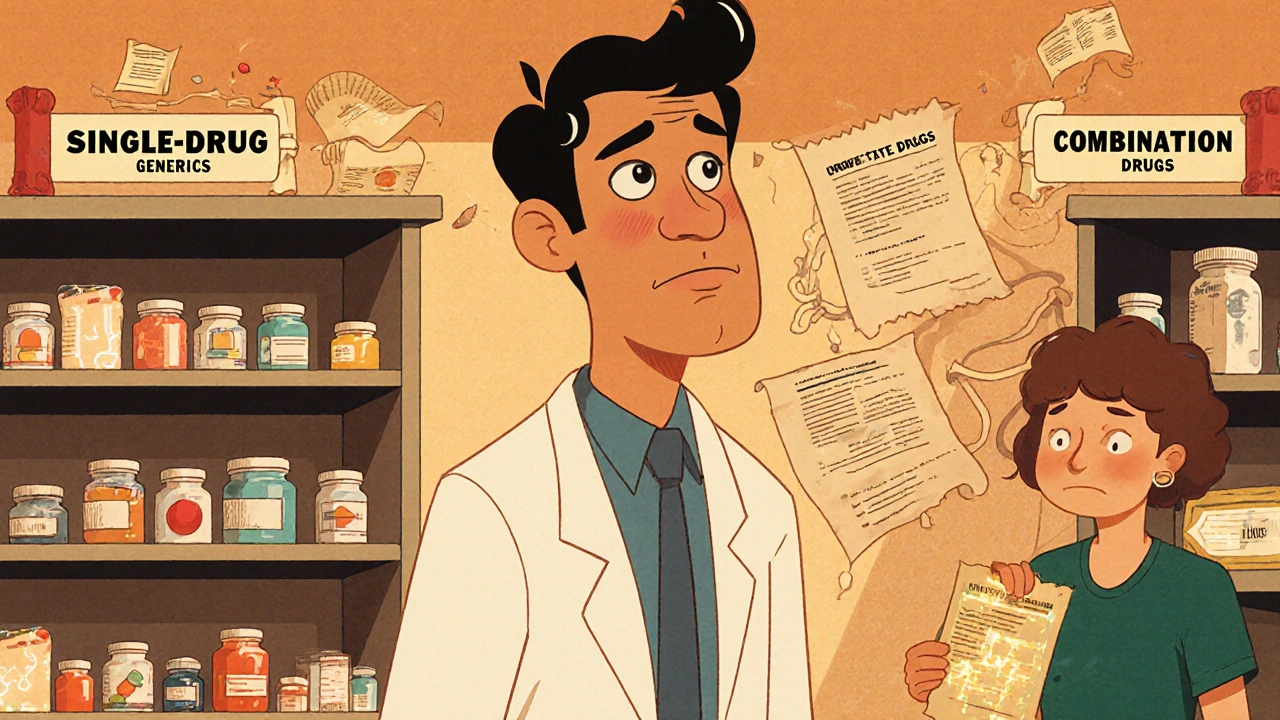
Combination Drug Substitution: Legal and Practical Challenges Explained
Combination drug substitution poses legal and safety challenges as outdated pharmacy laws struggle to keep up with modern multi-drug pills. Learn why pharmacists can't always swap these combinations - and what it means for your health.
Categories
- Medications (76)
- Health and Medicine (66)
- Health and Wellness (38)
- Online Pharmacy Guides (16)
- Nutrition and Supplements (9)
- Parenting and Family (3)
- Environment and Conservation (2)
- healthcare (2)
- prescription savings (1)
Popular Articles