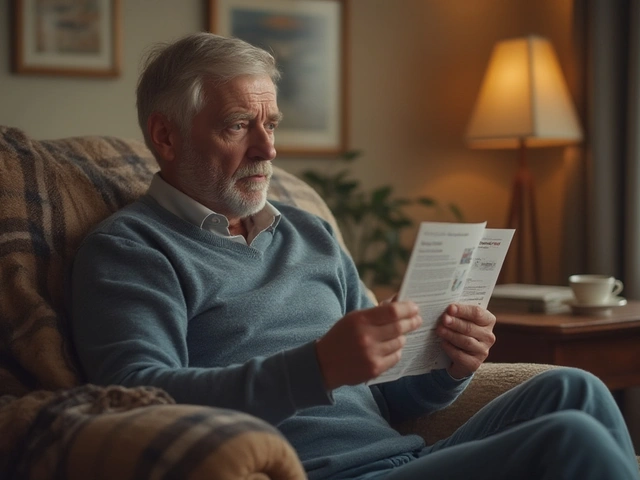
180-Day Exclusivity: What It Means for Drug Access and Generic Competition
When a generic drug company wins the right to be the first to sell a copy of a brand-name medicine after patent challenges, they get a special reward: 180-day exclusivity, a temporary period where no other generic versions can enter the market. This rule, set by the FDA under the Hatch-Waxman Act, is meant to encourage companies to take on the legal and financial risk of challenging expensive drug patents. It’s not a reward for innovation—it’s a reward for breaking monopolies. And that’s why it matters so much to your wallet.
This 180-day exclusivity doesn’t apply to every generic. It only kicks in when a company files what’s called an ANDA with a patent challenge, proving the original drug’s patent is invalid or won’t be infringed. Once approved, that first generic gets six months of market protection—no competitors allowed. During that time, they often sell the drug at a steep discount, sometimes 80% below brand price, forcing the original maker to drop prices too. That’s how patients get cheaper meds. But here’s the catch: sometimes, the first generic company delays launching, or partners with the brand to block others. That’s called "pay-for-delay," and it’s one reason why some people never see the full price drop.
It’s closely tied to orphan drug exclusivity, which gives seven years of market protection for rare disease drugs. While orphan exclusivity stops generics entirely, 180-day exclusivity is a race to the bottom—it’s designed to end monopolies fast. You’ll also see it show up in discussions about generic drug competition and how the FDA balances innovation with access. The system works best when multiple companies challenge patents early. But when only one does, or when they sit on the approval, patients pay the price.
What you’ll find in these posts isn’t just theory. You’ll see real cases—how 180-day exclusivity played out with drugs like Lipitor and Adderall, how it affects your ability to get affordable generics, and why some medicines still cost hundreds even after patents expire. You’ll also learn how pharmacy substitution rules, patent cliffs, and FDA loopholes shape what ends up on your shelf. This isn’t about legal jargon. It’s about whether your next prescription costs $5 or $500. And if you’ve ever wondered why some generics appear suddenly and then vanish, this is why.
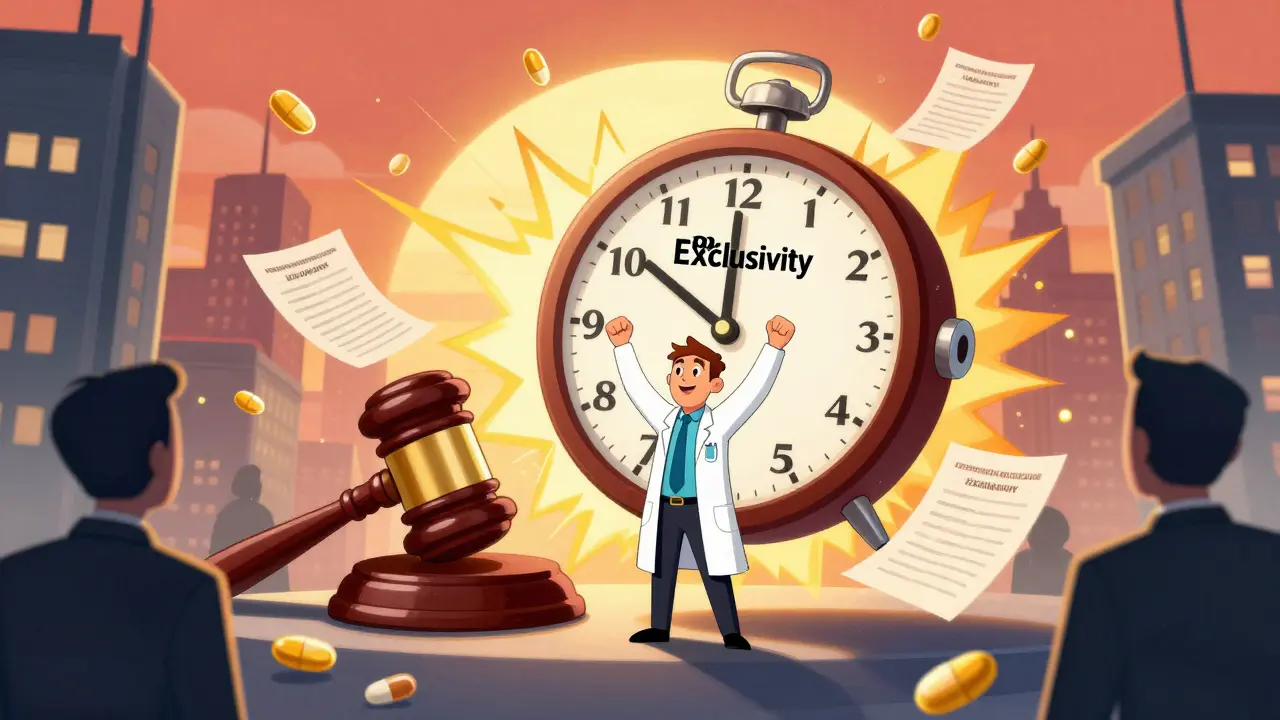
180-Day Exclusivity: How Patent Law Controls Generic Drug Market Entry
The 180-day exclusivity rule under the Hatch-Waxman Act gives the first generic drug company to challenge a patent a temporary monopoly. But delays in launching the drug can block competition for years - hurting patient access and drug prices.
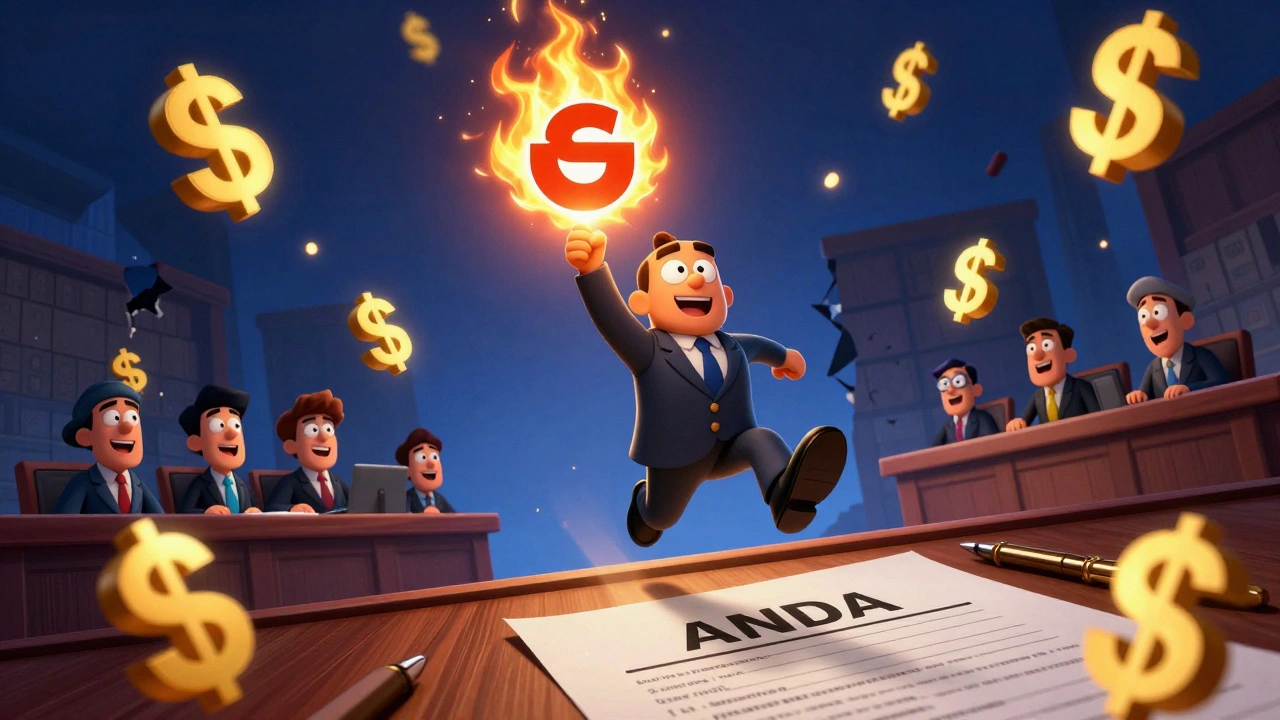
Paragraph IV Certifications: How Generic Drug Makers Legally Challenge Pharma Patents
Paragraph IV certifications let generic drug makers legally challenge brand-name patents before launch. This Hatch-Waxman tool saves billions annually and gives the first challenger 180 days of exclusive sales-if they navigate the legal minefield correctly.
Categories
- Medications (77)
- Health and Medicine (67)
- Health and Wellness (38)
- Online Pharmacy Guides (16)
- Nutrition and Supplements (9)
- Parenting and Family (3)
- Environment and Conservation (2)
- healthcare (2)
- prescription savings (1)