Metformin and Alcohol: Understanding the Risk of Lactic Acidosis

Metformin & Alcohol Risk Assessment Tool
Disclaimer: This tool is for educational purposes only and does not provide medical advice. If you are experiencing a medical emergency, call emergency services immediately.
Symptom Emergency Checker
If you have already consumed alcohol, check any symptoms you are currently experiencing:
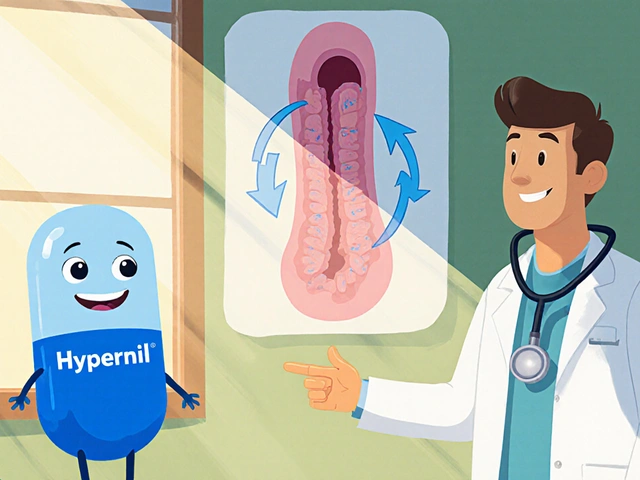
Drinking a glass of wine with dinner might seem harmless, but for someone taking Metformin is a biguanide antihyperglycemic agent used as the first-line treatment for type 2 diabetes mellitus, the interaction with alcohol can be dangerous. While most people use this medication without any one-off issues, combining it with excessive drinking can trigger a rare but life-threatening condition called Lactic Acidosis. This isn't just a mild side effect; it's a metabolic emergency that can be fatal if not treated immediately.
What exactly is Metformin-Associated Lactic Acidosis?
When we talk about Metformin-Associated Lactic Acidosis (also known as MALA), we are describing a buildup of lactic acid in the bloodstream. Normally, your body produces lactate as a byproduct of energy metabolism, and your liver clears it out. Metformin works by reducing the amount of glucose your liver produces, but in doing so, it can indirectly increase the amount of lactic acid in your system.
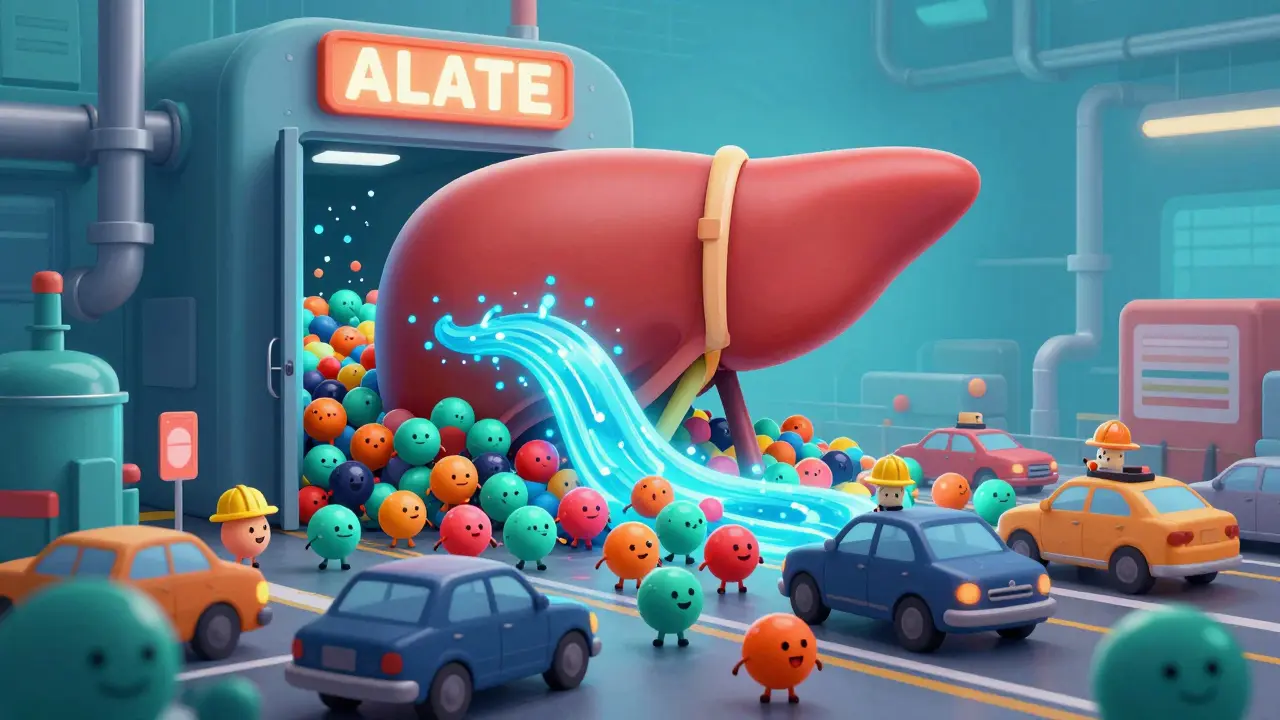
Under normal circumstances, your kidneys flush the drug out-about 90% of it leaves your body unchanged through urine. However, when you add alcohol to the mix, you create a biological "traffic jam." Alcohol interferes with the way your liver processes lactate by using up nicotinamide adenine dinucleotides (NAD+) for ethanol oxidation. Essentially, while metformin is increasing lactate production, alcohol is blocking the exit door. This synergistic effect can overwhelm your body's pH balance, leading to a critical drop in blood pH and dangerous electrolyte imbalances.
The Reality of the Risk: Is it Common?
If you look at the numbers, MALA is rare. Clinical data suggests roughly 0.03 cases per 1,000 patient-years. However, the danger lies in the severity. When lactic acidosis does occur, mortality rates can range between 30% and 50%. This is why the FDA has placed a black box warning on the medication-the most serious alert a drug can have.
You might wonder if your kidney health changes the game. It does. Renal impairment is the biggest risk factor because if your kidneys can't clear metformin, the drug builds up, making lactic acidosis much more likely. But here is the scary part: alcohol can trigger this even in people with perfectly healthy kidneys. A documented case involved a 65-year-old man with normal renal function who developed MALA after excessive drinking, proving that alcohol alone can be the catalyst.
| Medication Type | Lactic Acidosis Risk | Primary Common Side Effects |
|---|---|---|
| Metformin | Low (but serious with alcohol) | Nausea, diarrhea, B12 deficiency |
| Phenformin (Withdrawn) | Very High | Severe metabolic acidosis |
| SGLT2 Inhibitors | Negligible | UTIs, genital yeast infections |
| GLP-1 Receptor Agonists | Negligible | Nausea, vomiting |
Spotting the Warning Signs
The most dangerous thing about lactic acidosis is that it mimics a bad hangover. Many people ignore the early signs, thinking they just drank too much. Around 68% of surveyed cases reported that patients initially attributed their symptoms to a hangover rather than a medical emergency.
Keep a close eye out for these specific red flags:
- Unusual muscle pain: Not just soreness, but intense cramping or "locking up" of muscles.
- Respiratory distress: Trouble breathing or feeling like you can't get enough air.
- Stomach distress: Severe nausea, vomiting, or sudden abdominal pain.
- General malaise: Extreme fatigue, a rapid heartbeat, or feeling unusually cold.
In one real-world instance, a patient reported experiencing intense muscle cramps and a racing heart after six beers; their blood lactate levels were measured at 6.2 mmol/L (anything over 5 mmol/L is typically considered lactic acidosis), requiring an immediate ER visit.

Practical Guidelines for Safer Drinking
Since there is no clinically established "safe" amount of alcohol that guarantees you won't have a reaction, most doctors rely on general guidelines. If you are taking metformin, you should follow these rules of thumb to lower your risk:
- Avoid binge drinking: This is typically defined as 4 or more drinks for women, or 5 or more for men, within a two-hour window. This is where the risk of MALA spikes most sharply.
- Never drink on an empty stomach: Alcohol and metformin both affect your blood sugar. Drinking without food increases the risk of hypoglycemia (dangerously low blood sugar).
- Be cautious during titration: If you just started metformin, avoid alcohol entirely for the first 4 to 8 weeks while your body adjusts to the drug.
- Stick to moderation: While not a guarantee, many clinicians suggest staying within the American Heart Association's limits: one drink per day for women and two for men.
It's also worth noting that both alcohol and metformin can deplete your vitamin B12 levels. Long-term users see a 7-10% annual incidence of B12 deficiency, which can cause nerve damage or anemia. Adding heavy drinking to this can speed up the neurological decline.
What to Do if You Suspect a Problem
If you or a loved one experiences the symptoms mentioned above after drinking while on metformin, do not wait for the "hangover" to pass. This is a medical emergency. Head to the emergency room immediately. Doctors will need to check blood lactate levels and blood pH to confirm the diagnosis. If plasma metformin levels exceed 5 µg/mL and lactate is over 5 mmol/L, you are likely dealing with MALA.
Treatment usually involves aggressive fluid replacement and, in severe cases, hemodialysis to remove the metformin and lactate from your blood quickly. Because of the 30-50% mortality rate, every minute counts.
Can I have one glass of wine with metformin?
For most people with normal kidney function, a single drink is generally considered low risk. However, you should always consult your doctor first, as your specific kidney health (eGFR) determines how effectively you clear the medication.
Is the extended-release (ER) version of metformin safer with alcohol?
While extended-release versions may be easier on your stomach and cause less nausea, they carry the exact same risk of lactic acidosis when combined with alcohol. The formulation change does not change the metabolic interaction in the liver.
Why does alcohol increase the risk so much?
Alcohol competes for the same chemical resources (NAD+) that the liver needs to clear lactate. Because metformin already increases lactate production, alcohol effectively blocks the "drain," causing lactate to build up to toxic levels in the blood.
What are the symptoms of MALA again?
Look for severe muscle pain, shortness of breath (hyperventilation), extreme stomach discomfort, and sudden, intense fatigue. If these appear after drinking, seek emergency care immediately.
Should I stop taking metformin if I plan to drink?
You should never stop or change your medication dosage without a doctor's guidance. Skipping a dose to drink can lead to uncontrolled blood sugar spikes, and the drug remains in your system for some time anyway.