FDA List of Authorized Generics: How to Find and Use This Data
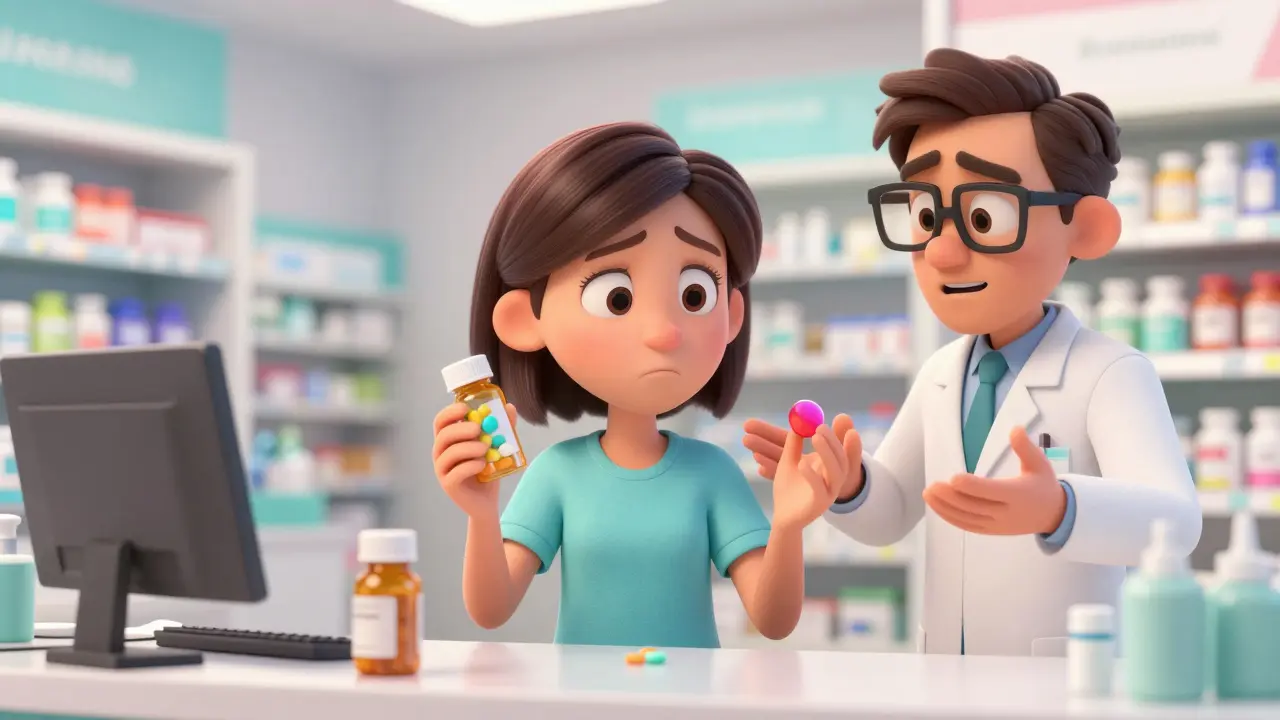
If you've ever looked at your medication and wondered why the pill looks different but the pharmacist says it's the exact same drug, you might be dealing with an authorized generic. These drugs are a bit of a pharmaceutical riddle: they are identical to the brand-name version but don't carry the brand name on the label. Because they don't follow the usual generic approval path, they don't show up in the famous "Orange Book." This makes finding them a challenge for patients and pharmacists alike.
The good news is that the FDA list of authorized generics is the primary public resource used to identify these unique pharmaceutical products. It bridges the gap between expensive brand-names and traditional generics. Whether you're trying to lower your pharmacy bill or you're a healthcare provider managing a patient's regimen, knowing where to find this list and how to read it is key to saving money without sacrificing drug quality.
What exactly is an authorized generic?
To understand the list, you first need to understand the product. An Authorized Generic is a drug that is chemically and therapeutically identical to the brand-name product but is marketed without the brand name. Unlike standard generics, which are approved via an Abbreviated New Drug Application (ANDA), authorized generics are sold under the original brand company's New Drug Application (NDA).
Essentially, the brand-name company decides to sell its own product as a generic. They might do this to keep a grip on the market when a patent expires or to compete with other generic manufacturers. For the consumer, the win is simple: you get the exact formula from the original manufacturer, often at a significantly lower price.
Where to find the official FDA list
You won't find this information in a fancy app or a simple search of the Orange Book. The FDA maintains this data as a specific listing. To access the most current version, head to the official FDA website. Specifically, you're looking for the page dedicated to the "Listing of Authorized Generics" under the Abbreviated New Drug Application (ANDA) section.
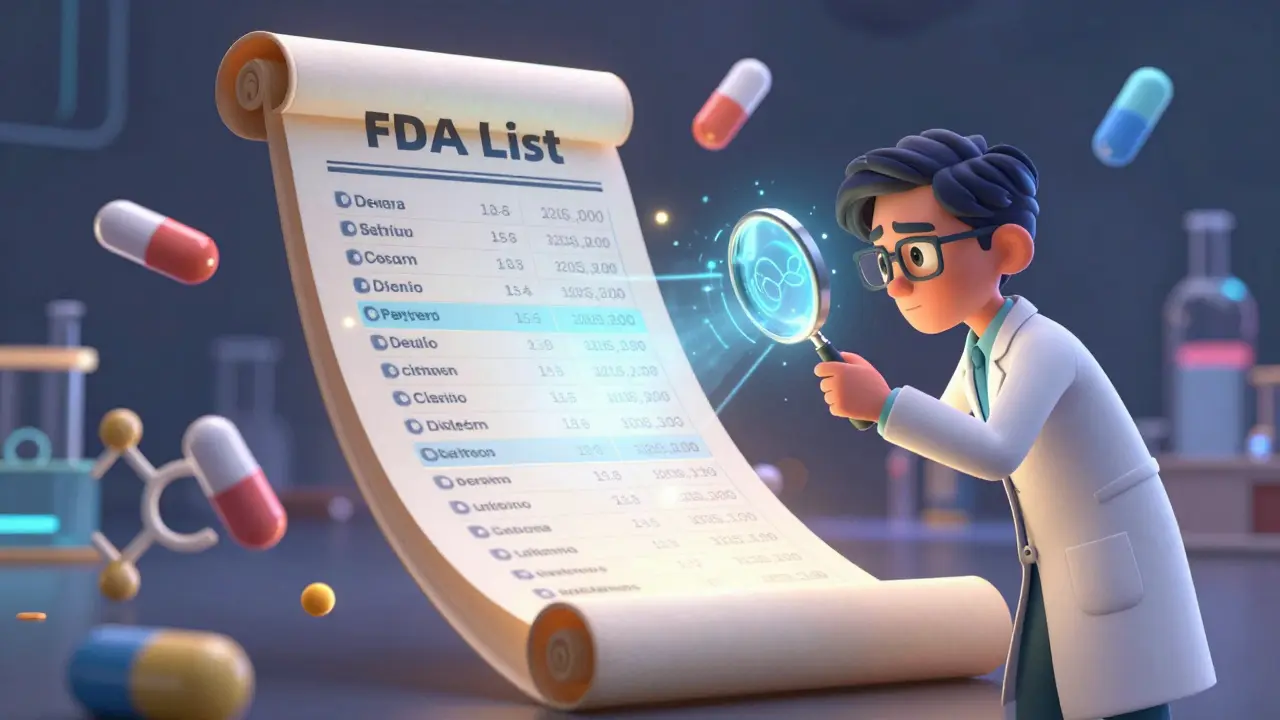
As of the most recent updates in late 2025, the FDA provides this list as a PDF document. While a PDF isn't as convenient as a searchable database, it is the legal record of all reported authorized generics since 1999. The agency is required by the Medicare Prescription Drug, Improvement, and Modernization Act of 2003 to update this list quarterly, so always check the date on the document to ensure you're looking at the latest version.
How to read the data on the list
When you open the PDF, you'll see a table. It isn't overly complex, but a few columns require a bit of context to interpret correctly:
- Proprietary Name: This is the brand name the drug is associated with (e.g., ACTIQ or ARTHROTEC).
- Dosage Form and Strength: This tells you if it's a tablet, lozenge, or gel and the exact milligram or microgram dose.
- NDA Applicant: This is the company manufacturing the drug. You'll often see big names like Pfizer or Teva here.
- Date Entered Market: Be careful with this one. The FDA explicitly states that this date reflects the period of the annual report where the drug was first mentioned, not necessarily the exact day it hit pharmacy shelves.
| Feature | Authorized Generic | Traditional Generic |
|---|---|---|
| Approval Path | NDA (Original Application) | ANDA (Abbreviated Application) |
| Listed in Orange Book? | No | Yes |
| Manufacturer | Brand company or its partner | Third-party generic company |
| Therapeutic Equivalence | Identical by definition | Proven equivalent (Rating A or B) |
| Market Entry | Can enter immediately | May face 180-day exclusivity delays |
The gaps: What the FDA list doesn't tell you
Here is the catch: the FDA list is a record of *reporting*, not a real-time inventory. This is where many people get frustrated. Just because a drug is on the list doesn't mean your local pharmacy has it in stock today. The FDA does not track whether a company has stopped selling an authorized generic or if there's a current shortage.
If you're a pharmacy owner or a patient, you'll likely find that the list is great for research but tricky for daily purchasing. For example, independent pharmacists have reported that several products listed as "active" were actually unavailable through their wholesalers. To get a full picture, you need to combine the FDA list with other tools:
- National Drug Code (NDC) Directory: Use this to find the specific identifier for the drug.
- Wholesale Portals: Check your supplier's real-time stock to see if the drug is actually available.
- Commercial Databases: Tools like IQVIA provide sales data that can tell you if a drug is still moving in the market.
Why this matters for your wallet
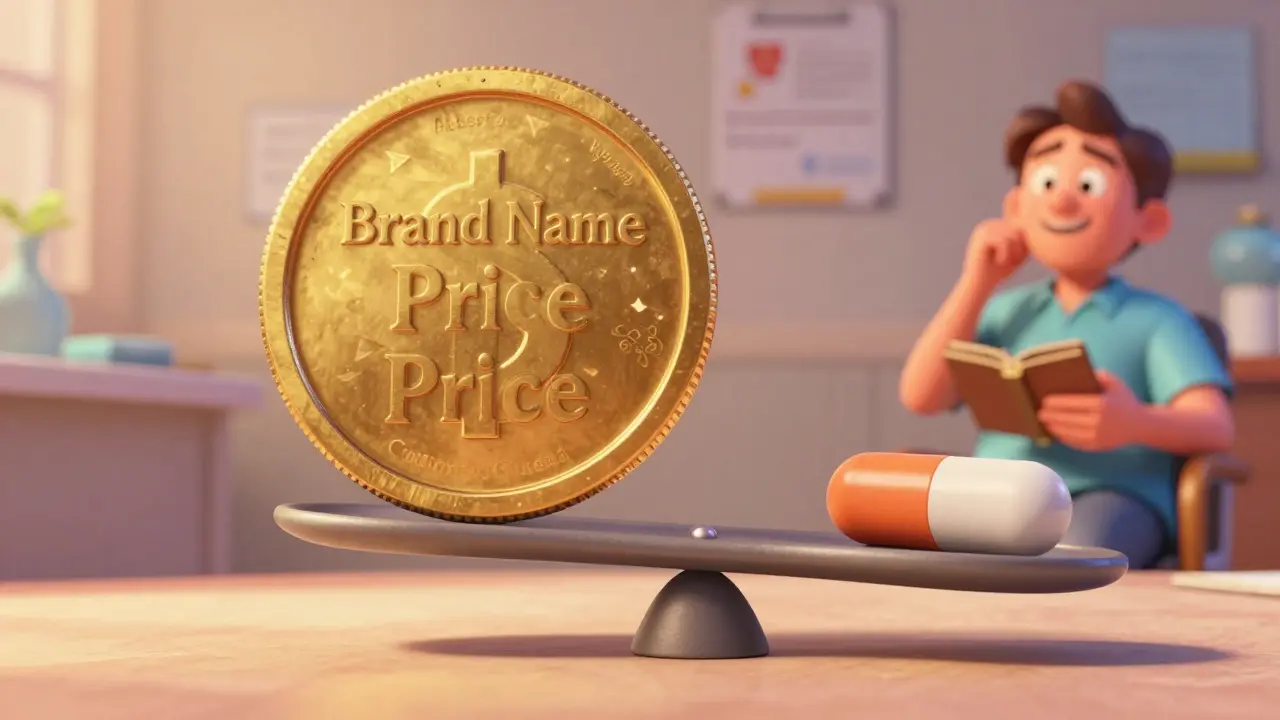
You might wonder why you should bother searching for an authorized generic when you can just ask for "the generic." The reason is the 180-day exclusivity period. Usually, the first company to file a generic application gets six months of market exclusivity, which can keep prices higher.
Authorized generics bypass this rule. Since they are owned by the brand company, they can enter the market instantly. This creates a competitive check. While some critics argue that brand companies price these only slightly lower than the brand name, they still often provide a cheaper path than the brand-name version itself. For the patient, it's the ultimate peace of mind: you get the exact same pill that the brand company makes, but you don't pay the brand-name premium.
Future changes to the system
The FDA knows that a PDF is an outdated way to share this data. According to the CDER 2025 Strategic Plan, there is a move toward a dynamic, searchable database. This should eliminate the need to manually Ctrl+F through a multi-page document and provide more real-time updates. There is also talk of integrating this data with the Drug Shortage Portal, which would solve the biggest complaint users have-not knowing if the drug is actually available.
Why isn't my authorized generic in the Orange Book?
The Orange Book only lists drugs approved via an Abbreviated New Drug Application (ANDA). Authorized generics are marketed under the original New Drug Application (NDA) of the brand-name drug, so they aren't eligible for a therapeutic equivalence rating in the Orange Book-they are considered identical by definition.
Is an authorized generic better than a regular generic?
Not necessarily "better," but it is the exact same formulation and manufacturing process as the brand-name drug. Regular generics are bioequivalent, meaning they work the same way, but authorized generics are literally the same product minus the brand label.
How often is the authorized generics list updated?
By law, the FDA is required to update the listing on a quarterly basis. You should check the date on the PDF when downloading it to ensure you have the most current data.
Can I request a change or report an error on the list?
Yes, the FDA encourages users to submit suggested changes or corrections via email to [email protected].
Will an authorized generic look different from my brand pill?
It might. Even though the medicine inside is identical, the FDA allows authorized generics to have different colors or markings than the brand-name version to distinguish the packaging.