Orphan Drug Exclusivity: What It Means for Patients and Generic Access
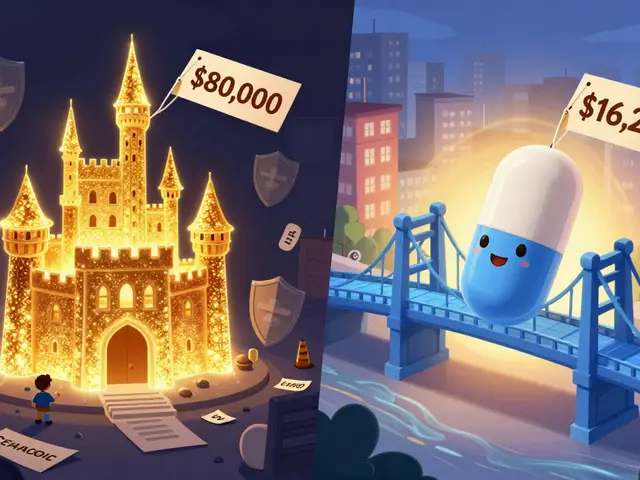
When a drug gets orphan drug exclusivity, a seven-year period of market protection granted by the FDA to companies developing treatments for rare diseases affecting fewer than 200,000 people in the U.S., it means no other company can sell a generic version—even if the patent expires—for seven full years. This isn’t a patent. It’s a legal shield built into the Orphan Drug Act of 1983, designed to fix a broken system: pharmaceutical companies had no incentive to make drugs for tiny patient groups because it wasn’t profitable. Today, this system has saved thousands of lives, but it’s also created a bottleneck for affordable alternatives.
FDA orphan drug designation, the official status given to a drug targeting a rare disease, often leading to orphan drug exclusivity is the first step. Once approved, the drug gets exclusivity regardless of patent status. That means even if the active ingredient is simple and cheap to copy, generics are blocked. This overlaps with other protections like drug patent exclusivity, the legal monopoly granted by a patent, typically lasting 20 years from filing, which can stack on top. Some drugs get both. The result? A single company can charge $500,000 a year for a pill that costs $5 to make—and no one else can legally step in for seven years. This isn’t theoretical. Drugs like Spinraza for spinal muscular atrophy and Zolgensma for infantile paralysis carry prices in the millions because of this system.
But here’s the flip side: without orphan drug exclusivity, many of these drugs wouldn’t exist at all. Before 1983, fewer than 10 treatments for rare diseases were approved in the U.S. Since then, over 600 have been. That’s because the exclusivity gives companies a clear path to recoup R&D costs. It’s not perfect, but it’s worked. Now, the challenge is balancing access. Some companies exploit the system by splitting one disease into multiple tiny subgroups just to get new exclusivity periods. Others acquire old orphan drugs, raise prices, and lock out competition. Patients and providers need to understand how this works—not just to question pricing, but to know when generic alternatives might finally arrive.
The posts below dive into how this system connects to real-world medication access. You’ll find how generic drug makers use legal tools like Paragraph IV certifications to challenge patents, how specialty pharmacies handle rare disease meds, and how drug labeling and safety rules change when a treatment is the only option. These aren’t abstract policies—they shape whether you can afford your medicine, how long you wait for a copycat version, and what your doctor can prescribe when the original becomes unaffordable.
Orphan Drug Exclusivity: How Rare-Disease Medicines Get Market Protection
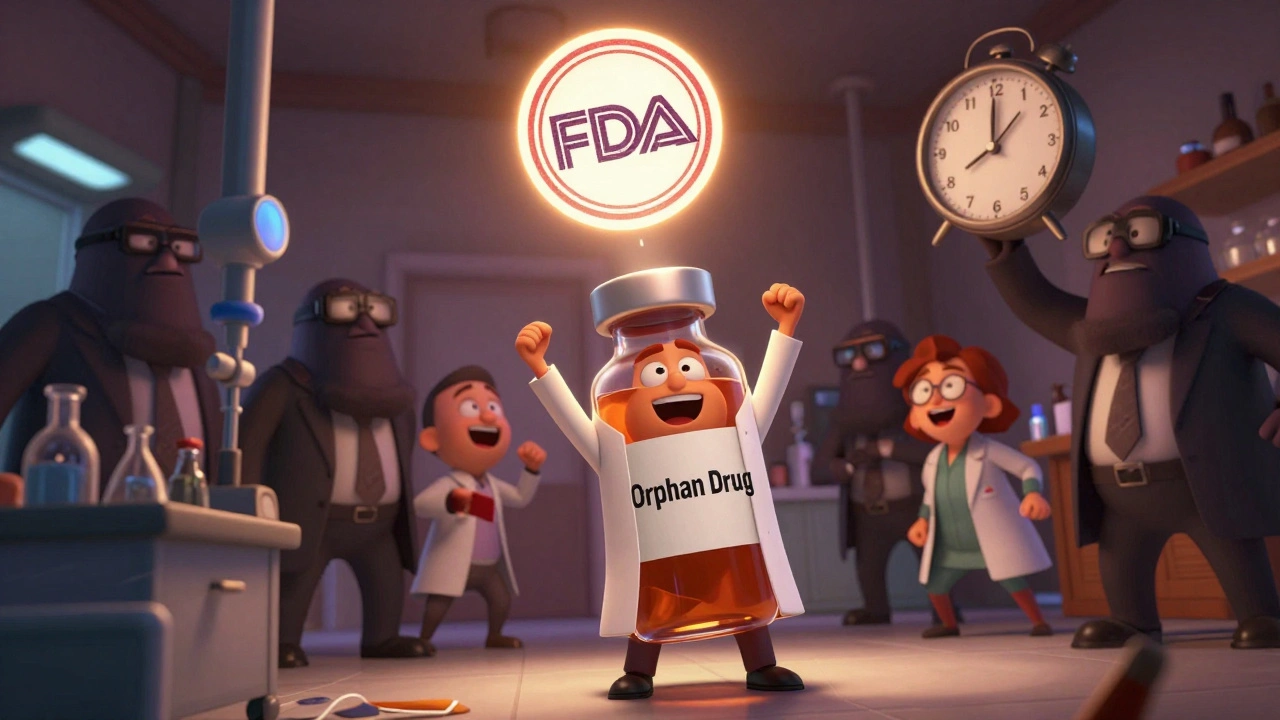
Orphan drug exclusivity gives pharmaceutical companies seven years of market protection for rare disease treatments, encouraging development of drugs that would otherwise be unprofitable. Here's how it works, who benefits, and why it's changing.
Categories
- Medications (77)
- Health and Medicine (67)
- Health and Wellness (38)
- Online Pharmacy Guides (16)
- Nutrition and Supplements (9)
- Parenting and Family (3)
- Environment and Conservation (2)
- healthcare (2)
- prescription savings (1)
Popular Articles

How Diet and Exercise Can Ease BPH Symptoms
Oct, 14 2025