Kidney Disease: Causes, Medications, and What You Need to Know
When your kidney disease, a condition where the kidneys lose their ability to filter waste and excess fluid from the blood. Also known as chronic kidney disease, it often creeps up silently—no pain, no warning—until blood tests show trouble. Your kidneys work 24/7, cleaning about 120-150 quarts of blood daily. If they start failing, toxins build up fast. That’s why catching it early matters more than you think.
Many people with kidney disease are on medications that can either help or hurt their kidneys. Metformin, a common diabetes drug is often used, but it’s risky if kidney function drops below 30%. Blood thinners, like apixaban or rivaroxaban also need careful dosing—your kidneys clear them, and if they’re weak, the drugs stick around too long, raising bleeding risk. Even antibiotics, such as tetracycline or trimethoprim, can strain kidneys if taken too long or in high doses. It’s not about avoiding these meds—it’s about knowing your numbers and adjusting.
What you eat, what you drink, and what you take all connect back to your kidneys. High salt, too much sugar, and dehydration make them work harder. Some herbal teas, like those with licorice root or stinging nettle, can interfere with kidney function or blood pressure meds. And if you’re on dialysis, timing your meds around treatments becomes critical—some drugs need to be taken after, not before. Your kidneys don’t just filter waste—they help control blood pressure, make red blood cells, and keep bones strong. When they fail, everything else starts to slip.
You’ll find real-world advice here—not theory, not scare tactics. We cover how to read lab results like eGFR and creatinine, why some meds are safer than others, what foods to avoid when your kidneys are weak, and how to spot early signs before it’s too late. You’ll also see how common drugs like metformin, blood thinners, and antibiotics interact with kidney function, and what to ask your doctor before starting or switching anything. This isn’t just about managing disease—it’s about protecting your body before it breaks down.
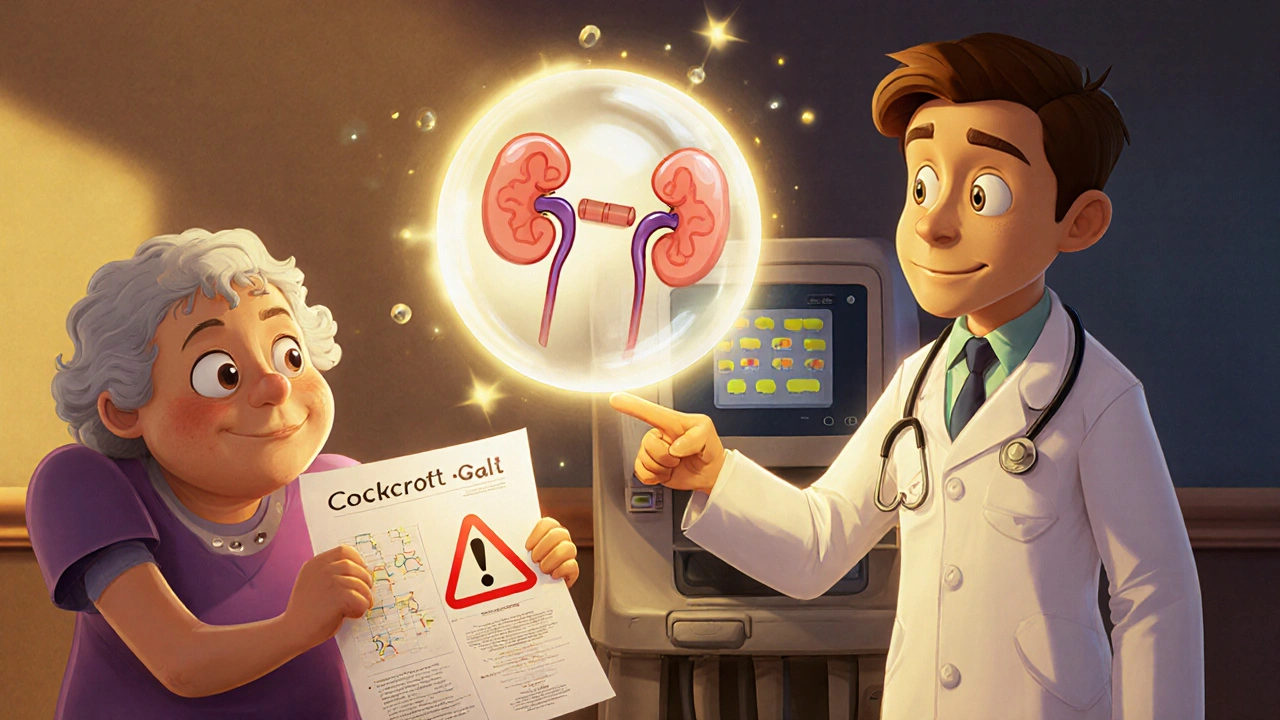
DOACs in Renal Impairment: How to Adjust Dosing to Prevent Bleeding and Clots
DOACs like apixaban are common blood thinners for atrial fibrillation, but kidney problems change how they work. Learn the correct dosing rules to avoid bleeding or clots, why eGFR isn't enough, and which drug is safest when kidneys fail.
Categories
- Medications (76)
- Health and Medicine (66)
- Health and Wellness (38)
- Online Pharmacy Guides (16)
- Nutrition and Supplements (9)
- Parenting and Family (3)
- Environment and Conservation (2)
- healthcare (2)
- prescription savings (1)