Inactive Ingredients: What They Are and Why They Matter in Your Medications
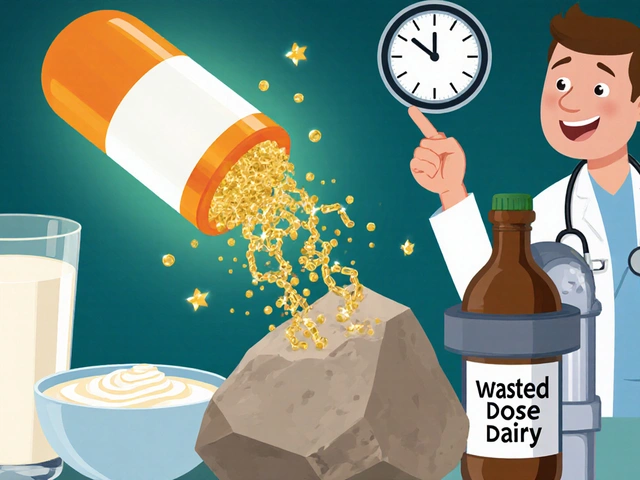
When you take a pill, most of what’s inside isn’t the medicine you’re after—it’s inactive ingredients, substances added to pills, capsules, or liquids to help deliver the active drug safely and effectively. Also known as excipients, these include things like starch, lactose, dyes, and preservatives. They don’t treat your condition, but they’re essential for the drug to work right—holding the pill together, helping it dissolve at the right time, or making it taste better. Skip them, and your medicine might fall apart in the bottle or not absorb at all.
These inactive ingredients, substances added to pills, capsules, or liquids to help deliver the active drug safely and effectively. Also known as excipients, they're essential for the drug to work right—holding the pill together, helping it dissolve at the right time, or making it taste better. aren’t just fillers. Some people react to them. Lactose can cause bloating in those who are intolerant. Dyes like FD&C Red No. 40 might trigger allergies. Even the coating on a pill can be a problem if you’re sensitive to gluten or shellfish-derived ingredients. That’s why checking the label isn’t just for the active drug—it’s for these hidden components too. The FDA requires them to be listed, but most patients never look. And when a generic version switches manufacturers, the inactive ingredients can change—without you knowing. That’s why some people feel different on a "same" drug from a different pharmacy.
These substances also affect how your body absorbs the medicine. A coating designed to delay release might fail if you crush the pill. A filler that slows dissolution could make your blood pressure drug work too slowly. Even something as simple as taking a drug with dairy can interfere if the inactive ingredients include calcium salts. This is why understanding your medication isn’t just about the dose—it’s about what’s holding it together. Pharmacists know this stuff. Doctors should too. But most patients are left guessing.
Below, you’ll find real-world guides that show you how to read labels, spot hidden risks, and understand why two pills that look identical might not be the same inside. From how to check prescription labels for hidden allergens to why generic drugs sometimes cause unexpected side effects, these posts give you the tools to ask the right questions—and protect yourself from what’s not on the bottle.
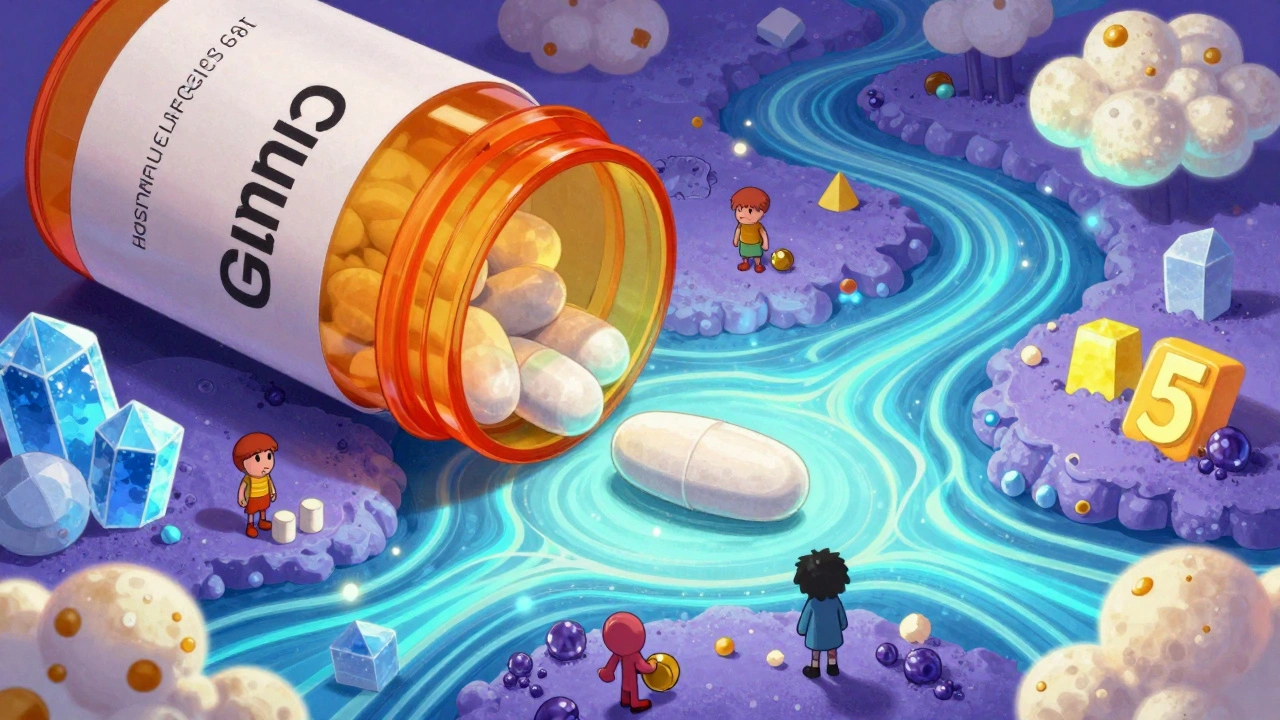
Excipients in Generics: How Inactive Ingredients Affect Tolerance and Health
Generic drugs save money but may contain different inactive ingredients that trigger allergies or intolerances. Learn how excipients like lactose, dyes, and preservatives can affect your health - and what to do about it.
Categories
- Medications (78)
- Health and Medicine (68)
- Health and Wellness (38)
- Online Pharmacy Guides (16)
- Nutrition and Supplements (9)
- Parenting and Family (3)
- Environment and Conservation (2)
- healthcare (2)
- prescription savings (1)