
Diabetes Foot Care: Ulcer Prevention and Daily Inspection Checklist

Every 28 seconds, someone in the United States loses a limb to diabetes-related complications. That is 82,000 amputations annually, according to the CDC. Most of these tragedies start small. A blister you didn't see, a cut from a loose sock, or a stone in your shoe can turn into a full-thickness wound if you have Diabetes a chronic condition affecting how your body processes blood sugar. The goal isn't just to treat wounds; it is to stop them before they begin. This guide gives you the exact steps to inspect your feet daily and prevent ulcers using the latest medical standards.
Foot care isn't about fear; it is about control. You can manage your risk. By following a structured routine, you protect your mobility and your health. The International Working Group on the Diabetic Foot (IWGDF) updated their guidelines in 2023 to help reduce these numbers. They focus on five key elements: identifying risk, regular inspection, education, footwear, and treating risk factors. This article breaks those down into actions you can take today.
Understanding Your Risk Level
Not every person with diabetes faces the same level of risk. The IWGDF classifies feet into four categories to help you understand how often you need to check them. Knowing your category changes how you approach your daily routine.
Risk Level 0 means you have no neuropathy and no history of ulcers. This is very low risk. You need an annual screening. Risk Level 1 means you have neuropathy but no deformity. This is low risk, requiring checks every six months. Risk Level 2 involves neuropathy with foot deformity, which is moderate risk. You need checks every three months. Risk Level 3 is high risk. This includes a history of ulcers or amputation. You need monthly checks.
Neuropathy is the loss of feeling in your feet. It happens because high blood sugar damages the nerves over time. If you cannot feel a pinprick or a light touch, you are at Risk 1 or higher. Doctors use a 10g monofilament to test this. They press a plastic fiber against your foot. If you cannot feel it, you have lost protective sensation. This is the most critical factor in ulcer development.
Beyond nerves, blood flow matters. Peripheral Artery Disease reduces blood flow to your legs. Doctors measure this with an Ankle-Brachial Index. An index below 0.9 suggests poor circulation. If it drops below 0.5, you need immediate vascular referral. Without good blood flow, small wounds cannot heal. They become chronic ulcers.
| Risk Level | Condition | Screening Frequency |
|---|---|---|
| Risk 0 | No neuropathy, no history of ulceration | Annually |
| Risk 1 | Neuropathy without deformity | Semi-annually |
| Risk 2 | Neuropathy with deformity | Quarterly |
| Risk 3 | History of ulceration or amputation | Monthly |
The Daily Inspection Checklist
Inspection is your first line of defense. Sixty-eight percent of ulcers start from minor trauma that went unnoticed. You must look at your feet every single day. Consistency matters more than perfection. If you miss a day, you miss the chance to catch a problem early.
Follow this seven-step process recommended by NYU Langone Health and aligned with CDC guidance. Perform this routine at the same time daily. Natural light between 10 AM and 2 PM is best because temperature variations are minimal.
- Wash your feet. Use lukewarm water between 90-95°F. Never use hot water. Test the temperature with your elbow or a thermometer. Use mild soap to avoid drying out the skin.
- Dry thoroughly. Pat your feet dry with a soft towel. Pay special attention to the spaces between your toes. Moisture trapped there can lead to fungal infections.
- Inspect all surfaces. Use a 12-inch mirror to see the soles of your feet. If you cannot bend down, ask a family member for help. Do not skip the bottom of your feet.
- Check for abnormalities. Look for blisters larger than 3mm, cuts deeper than 1mm, or abrasions. Watch for ingrown toenails or signs of fungus like discoloration.
- Monitor for infection. Redness larger than 1cm, swelling that increases circumference by 5%, or warmth over 99°F are warning signs.
- Apply moisturizer. Use lotion on dry skin to prevent cracking. Do not put lotion between your toes, as this traps moisture.
- Trim nails. Cut nails straight across. Leave 1-2mm of clearance from the skin fold to prevent ingrown nails.
Ninety-two percent of plantar ulcers develop at high-pressure points under the metatarsal heads. These are the balls of your feet. When you inspect, press gently on these areas. If you feel a callus or hardness, it means pressure is building up. This is where a wound will likely form if you do not change your footwear.

Footwear and Protection
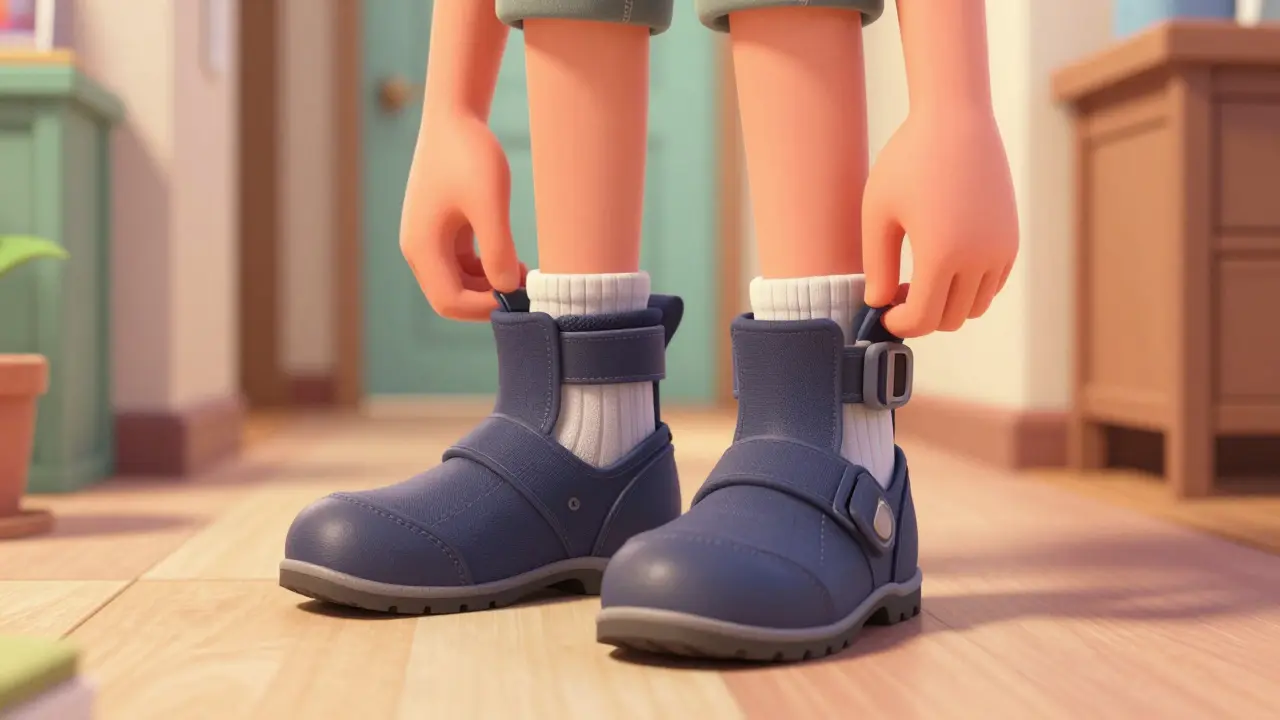
What you wear on your feet determines your risk more than you might think. Inappropriate footwear causes 87% of forefoot ulcers in patients with neuropathy. Walking barefoot is strictly prohibited. The CDC notes an 11.3-fold increased risk of ulcers if you walk barefoot indoors for five minutes or more daily.
Therapeutic Footwear is designed to reduce plantar pressure. The IWGDF 2023 guidelines mandate these shoes for moderate-to-high-risk patients. They must reduce pressure by at least 25% during walking. If you have low risk, you might not need them, but you still need proper fit.
Check the dimensions of your shoes. You need 0.5 inches of space between your longest toe and the shoe tip. The width must accommodate 15mm of toe splay. The heel counter should be rigid, measuring 45-60 degrees on a compression test. This prevents your foot from sliding inside the shoe.
Avoid sandals in summer. Compliance with proper footwear drops to 31% in hot months. Patients often substitute sandals, which increase ulcer risk by 4.3 times. Sandals expose your feet to cuts, burns, and pressure points. Wear socks inside your shoes to reduce friction. Cotton or moisture-wicking blends work best.
Never buy shoes that are too tight. If you have swelling, shop in the afternoon when your feet are largest. Break in new shoes slowly. Wear them for an hour at home before wearing them all day. If you feel a hot spot, stop immediately. That hot spot is a warning of impending damage.
Hygiene and Skin Care
Skin care is about balance. Dry skin cracks, creating entry points for bacteria. Wet skin macerates and becomes prone to infection. You need to keep your skin intact.
Washing daily removes bacteria and sweat. Use mild soap. Harsh soaps strip natural oils. After washing, dry carefully. Do not rub vigorously. Patting is safer. Between the toes is the most common site for fungal infections. Keep this area dry.
Moisturizing is essential for the tops and bottoms of your feet. Use a cream that contains urea or lactic acid if your skin is very thick. These ingredients help soften calluses. Do not use moisturizer between the toes. This area needs to stay dry to prevent fungus.
Callus management is tricky. Do not cut calluses yourself. Use a pumice stone gently after washing. If a callus is thick or painful, see a podiatrist. Removing too much skin can lead to an ulcer. The goal is smooth skin, not raw skin.
When to See a Doctor
Some problems require professional help. Do not wait for a wound to get worse. Early intervention saves limbs. Contact your healthcare provider if you notice any of the following signs.
- A wound that does not heal within two weeks.
- Redness spreading around a wound.
- Drainage or pus from a cut.
- Foul odor coming from your foot.
- Change in foot shape or color.
- Increased pain or swelling.
Infection signs are critical. Redness exceeding 1cm in diameter is a red flag. Swelling that increases the circumference of your foot by 5% indicates inflammation. Localized warmth over 99°F suggests infection. If you have a fever, go to the hospital immediately.
Integrated foot care models show the best results. These involve coordinated care between your primary doctor, a podiatrist, and a diabetes educator. Referrals should happen within 14 days. Programs like this reduce ulcer incidence by 35.7% and amputations by 42.3%. Ask your doctor if you qualify for such a program.
Antibiotic prophylaxis is not recommended for uninfected ulcers. The IDSA 2023 guideline states this increases antimicrobial resistance by 37% without healing benefits. Only take antibiotics if a doctor confirms an infection. Self-medicating makes future infections harder to treat.
Frequently Asked Questions
How often should I check my feet for diabetes?
You should inspect your feet every single day. Daily inspection catches minor issues before they become ulcers. If you have high risk, your doctor may recommend more frequent professional checks.
What temperature water is safe for washing diabetic feet?
Water should be lukewarm, between 90-95°F. Never use hot water as it can burn skin without you feeling it due to neuropathy. Always test the water with your elbow first.
Can I walk barefoot at home if I have diabetes?
No. Walking barefoot increases ulcer risk by 11.3 times. Even indoors, small objects can cause cuts or pressure sores. Always wear shoes or slippers.
Should I put lotion between my toes?
No. Keep the spaces between your toes dry. Moisture there promotes fungal infections. Apply moisturizer only to the tops and bottoms of your feet.
What are the signs of a diabetic foot infection?
Signs include redness larger than 1cm, swelling increasing circumference by 5%, warmth over 99°F, drainage, or foul odor. Seek medical help immediately if you see these.
Managing diabetes is a daily commitment. Your feet are the foundation of your mobility. Protect them with the same care you give to your eyes or your heart. The tools and knowledge exist to prevent amputations. Use this checklist. Stay consistent. Your future self will thank you.





Jordan Marx
March 27, 2026 AT 00:21Neuropathy screening is non-negotiable for anyone managing hyperglycemia long term. The 10g monofilament test is the gold standard for identifying loss of protective sensation. Peripheral artery disease often co-exists with nerve damage so vascular checks are mandatory. An Ankle-Brachial Index below 0.9 signals compromised blood flow to the extremities. Without adequate perfusion, minor trauma evolves into chronic non-healing wounds rapidly. We need to prioritize the Risk Level classification system outlined by the IWGDF guidelines. Monthly checks for Risk 3 patients are critical for early intervention. Footwear modification reduces plantar pressure by at least 25% in therapeutic designs. Ignoring these metrics leads to preventable amputations every single year. Consistency in daily inspection routines mitigates the statistical risk significantly.
kendra 0712
March 27, 2026 AT 14:22You guys need to stay positive!!! Every day counts!!! Keep checking those feet!!! The mirror trick is so helpful for seeing the soles!!! Don't skip the moisturizing step!!! Dry skin cracks and bacteria love that!!! We can do this together!!! Stay strong and keep up the routine!!!
Sophie Hallam
March 28, 2026 AT 15:07It is important to respect the body's signals even when they are not felt. The guidelines provide a clear path for maintaining mobility. Consistency is the key factor in preventing complications. Many people overlook the importance of shoe fit. Proper space for toe splay prevents deformity over time. This information is valuable for everyone managing the condition.
Rohan Kumar
March 29, 2026 AT 20:05Another guideline telling us to be perfect while the system falls apart 🙄. They really think we have time for this. The stats are scary but the advice is basic common sense 😒.
Sabrina Herciu
March 30, 2026 AT 09:46Proper foot hygiene is critical for long term health management. Many patients overlook the temperature testing phase during washing. Lukewarm water is essential to prevent thermal injury. Hot water causes burns without immediate sensation. Neuropathy masks pain signals effectively over time. The monofilament test confirms sensation loss accurately. A 10g force is the standard clinical measurement. If you cannot feel it, you are at significant risk. Circulation checks are equally vital for healing. Ankle-Brachial Index measures blood flow efficiently. Low numbers indicate vascular disease progression. Shoes must fit properly to reduce pressure points. Space for toe splay is required inside the toe box. Moisture control prevents fungal infections between toes. Daily inspection saves limbs from amputation risks. Integrated care models show better outcomes than isolated visits. Antibiotic prophylaxis should never be used without confirmed infection.
Rachael Hammond
March 30, 2026 AT 10:58Thinking about how much we take our feet for granted. It is a daily reminder to care for what carries us. The philosophy of prevention is better than cure. I try to check mine every morning before work. It helps to make it a habit like brushing teeth. The mirror is a good tool for those who cant bend. We should all be more mindful of our bodies.
Paul Vanderheiden
March 31, 2026 AT 15:41Keep going with the routine and you will see the difference. It is all about small steps every single day. You got this and your future self will thank you. Don't let the numbers scare you just focus on the actions. Walking barefoot is a big no no even at home. Wear those socks and shoes to protect yourself. Stay consistent and healthy.
Austin Oguche
April 1, 2026 AT 12:11Cultural practices vary but foot care remains universal in importance. The guidelines apply across different demographics equally. We should share this knowledge within our communities. Prevention is a shared responsibility for health outcomes.
Sarah Klingenberg
April 2, 2026 AT 22:23Honestly this routine changed my life completely.
Shawn Sauve
April 3, 2026 AT 10:36That is really good to hear about your experience :) It gives hope to others starting out. The checklist is straightforward and easy to follow. Safety first always :)
walker texaxsranger
April 3, 2026 AT 15:20the data seems skewed towards pharmaceutical intervention rather than preventative lifestyle changes which is suspicious. why do they push shoes so hard instead of fixing the root cause. big pharma wants you sick not healed. check the funding sources behind these guidelines. they want you dependent on their products. the risk levels feel arbitrary to me. just another way to keep people in the system. watch out for hidden agendas in medical advice.
Eva Maes
April 5, 2026 AT 05:17The statistics regarding amputation rates are genuinely alarming. One must scrutinize the efficacy of current preventative protocols. The correlation between footwear compliance and ulcer reduction is significant. However, patient adherence remains a critical variable in this equation. We need more robust data on long term outcomes beyond the initial screening. The cost of therapeutic shoes is often prohibitive for many. This creates a disparity in health outcomes based on socioeconomic status. It is a systemic issue disguised as individual responsibility. The medical community must address accessibility barriers immediately. Prevention is only effective if the tools are available to everyone.