Antibiotic Shortages: How Drug Scarcity Impacts Infection Treatment
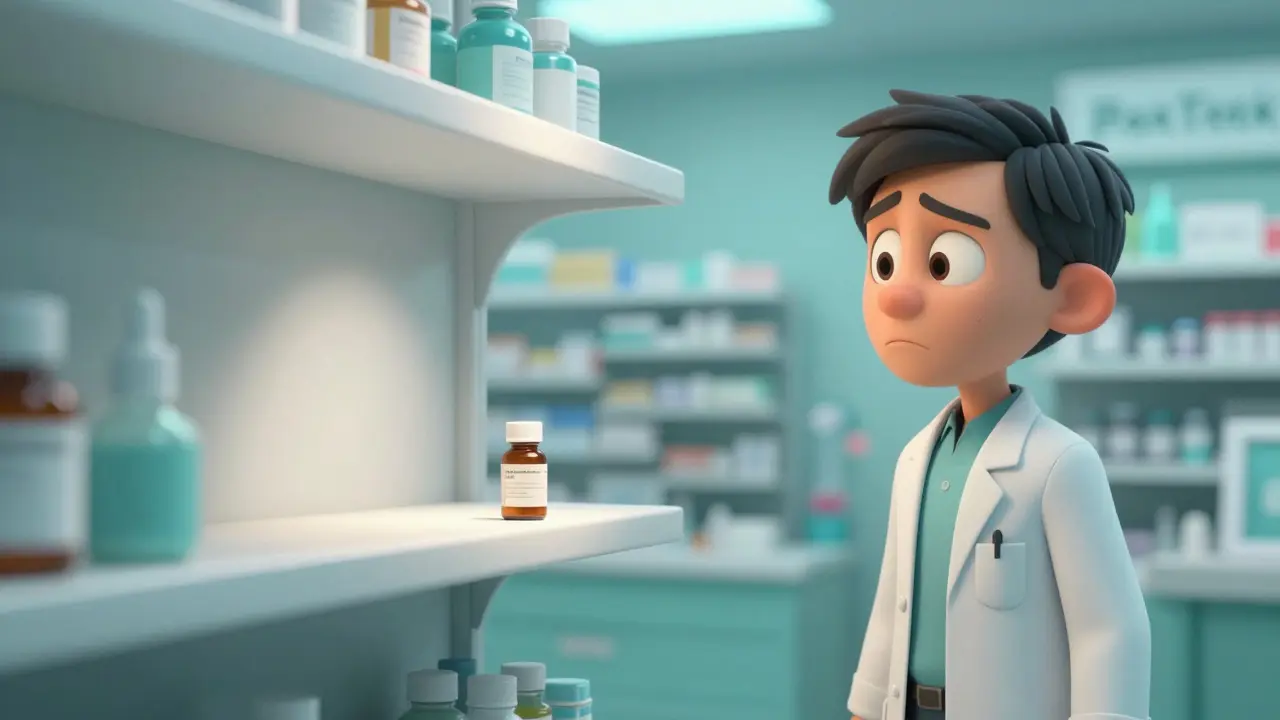
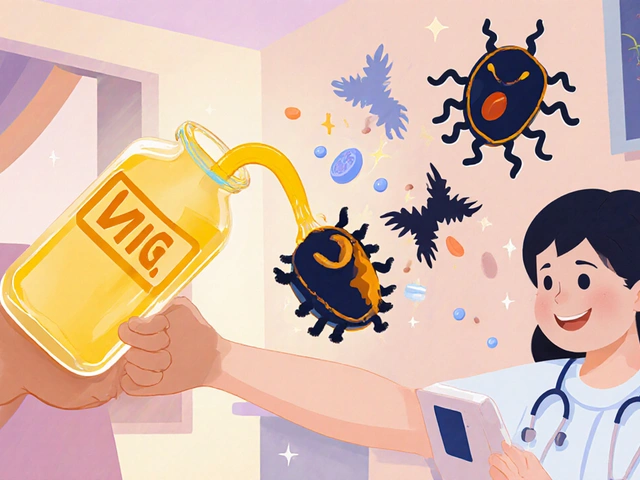
Imagine walking into a clinic with a routine infection, only to be told the standard medicine doesn't exist in the pharmacy. It sounds like a plot from a dystopian movie, but for millions of people, this is a current reality. Antibiotic shortages are no longer just occasional glitches in the supply chain; they are a full-blown public health crisis. When the first-choice drug is gone, doctors are forced to use "last-resort" medicines that are often more toxic or drive faster resistance. This isn't just about a missing bottle on a shelf-it's about the window of opportunity to save a life closing because the right tool isn't available.
The Real-World Fallout of Empty Shelves
When a pharmacy runs out of a common drug like Amoxicillin, the ripple effect is immediate. In early 2023, the European Medicines Agency (EMA) flagged a massive shortage of this penicillin-type antibiotic. The result? Amoxicillin use plummeted by 55% across 22 different databases. But patients didn't stop getting sick; they just stopped getting the preferred treatment.
The danger here isn't just the lack of one drug, but the "forced upgrade" to stronger ones. When clinicians can't find third-generation cephalosporins, they often turn to Carbapenems, which are broad-spectrum antibiotics. This is a gamble. Using a "sledgehammer" to kill a "nail" of an infection encourages bacteria to evolve, making them resistant to even the strongest drugs we have left. We've seen this in action: an infectious disease specialist in California recently reported using Colistin-a drug known for being toxic-to treat a routine urinary tract infection simply because the safe, first-line options were unavailable.
Why is the Supply Chain Breaking?
You might wonder why we can't just make more. The problem is that the economics of antibiotics are broken. Unlike a new cancer drug that can command a high price, most antibiotics are generics. Since 2015, prices for generic antibiotics have dropped by 27% due to fierce competition, mostly from manufacturers in India and China.
At the same time, the cost of keeping a factory up to regulatory standards has jumped by 34%. For a manufacturer, producing sterile injectables is expensive and risky, but the profit margin is tiny. Why invest millions in a high-tech plant when the market price for the drug is bottoming out? This has led to chronic shortages of critical drugs like Penicillin G benzathine, which has been sporadically unavailable since 2015.
| Factor | Trend (Approx. 2015-2025) | Impact on Supply |
|---|---|---|
| Generic Pricing | 27% Decrease | Reduced incentive for new production |
| Compliance Costs | 34% Increase | Factories shut down due to low margins |
| Market Growth (CAGR) | 1.2% (vs 5.7% industry avg) | R&D shifts to more profitable drug classes |

The Synergy of Shortage and Resistance
We are facing a "syndemic"-where two problems feed into each other. On one side, we have Antimicrobial Resistance (AMR), where bacteria evolve to ignore drugs. On the other, we have shortages. When a doctor is forced to use a broad-spectrum drug because the narrow-spectrum one is missing, they are inadvertently training bacteria to be more resistant.
The numbers are sobering. The World Health Organization's GLASS report for 2025 shows that one in six laboratory-confirmed bacterial infections was resistant to treatment in 2023. In some regions, like South-East Asia, that number jumps to one in three. If you are in a low-income country, the situation is even worse; about 70% of the necessary antibiotics are completely inaccessible. In rural Kenya, nurses have reported sending patients home without any treatment for simple infections because penicillin is gone, knowing the outcome could be fatal.
How Hospitals are Fighting Back
Since they can't control the global supply chain, hospitals are focusing on Antimicrobial Stewardship Programs (ASPs). An ASP is essentially a management system that ensures the right patient gets the right drug at the right dose. It's about treating the remaining supply like a precious resource.
For example, Johns Hopkins Hospital used rapid diagnostic testing to identify exactly which bacteria were causing an infection. This allowed them to stop using broad-spectrum drugs unnecessarily, reducing that usage by 37% during shortage periods. Other regions have tried "sharing networks." In California, hospitals started sharing their antibiotic stockpiles, which cut the impact of critical shortages by 43% across the participating network.
However, these systems take time to build. The WHO notes that it usually takes 6 to 12 months for a hospital to set up an effective shortage management protocol. In the meantime, pharmacists are bearing the brunt of the stress, with some reporting a 22% increase in their daily workload just to track down alternative medications.

The Road Ahead: Can We Fix This?
The outlook is a mix of hope and warning. On the positive side, the G7 nations are putting $500 million into a Global Antibiotic Supply Security Initiative. The US FDA is also approving new manufacturing facilities to bring production back closer to home, which could ease about 15% of current shortages by late 2025.
But these are small wins against a massive tide. Projections suggest that if we don't change how we fund and produce these drugs, shortages could increase by 40% by 2030. That could lead to 1.2 million additional deaths every year from infections that we technically know how to treat, but simply cannot find the medicine for. The goal is to move toward "Access" group drugs-the safest and most effective options-but currently, only 58% of global usage meets that standard.
Why are antibiotics more prone to shortages than other medicines?
It comes down to money and regulation. Most antibiotics are cheap generics with very low profit margins. Because they require sterile, high-quality manufacturing environments that are expensive to maintain, companies have little incentive to invest in them. If a factory has a quality issue, it's often cheaper for the company to stop production than to fix the facility.
What happens if my doctor has to use a "second-line" antibiotic?
Second-line or "last-resort" antibiotics are often used when first-line drugs fail or are unavailable. While they can be effective, they may have more severe side effects (like toxicity to the kidneys) or a different dosing schedule. The biggest risk is that using these broad-spectrum drugs for simple infections helps bacteria develop resistance, making future infections harder to treat.
Does the "Brexit" effect actually impact drug availability?
Yes, significantly. Regulatory shifts and trade barriers following Brexit led to a spike in drug shortages in the UK, rising from 648 in 2020 to over 1,600 by 2023. This forced many hospitals to ration common antibiotics like amoxicillin.
What is an Antimicrobial Stewardship Program (ASP)?
An ASP is a coordinated effort by hospitals to ensure antibiotics are used appropriately. This includes using rapid diagnostics to pinpoint the bacteria and avoiding broad-spectrum drugs when a targeted one will work. This preserves the existing supply and slows down the development of drug-resistant bacteria.
Are there any solutions for low-income countries?
The WHO is working on a five-point action plan and a Global Antibiotic Supply Security Initiative to stabilize the supply in LMICs. However, these regions still face a massive gap, with 70% of necessary antibiotics remaining inaccessible, which is why international funding and localized manufacturing are critical.
Next Steps for Healthcare Providers
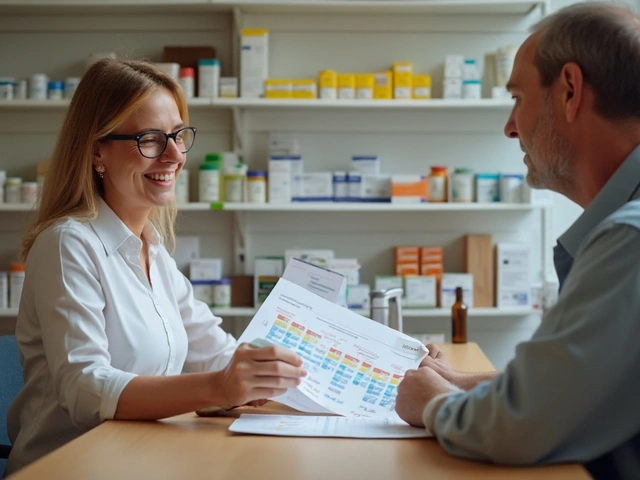
If you're managing a clinical setting, the first priority is implementing a robust Antimicrobial Stewardship Program. Start by auditing your current usage patterns and identifying which drugs you are most dependent on. If you're in a high-risk region, look into regional sharing networks to create a buffer against supply shocks. Using tools like the CDC's Antibiotic Use and Resistance (AUR) Tracker can help you stay ahead of trends and adjust your protocols before a shortage becomes critical.