
Kidney Failure Causes: How Diabetes, Hypertension, and Glomerulonephritis Damage Your Kidneys

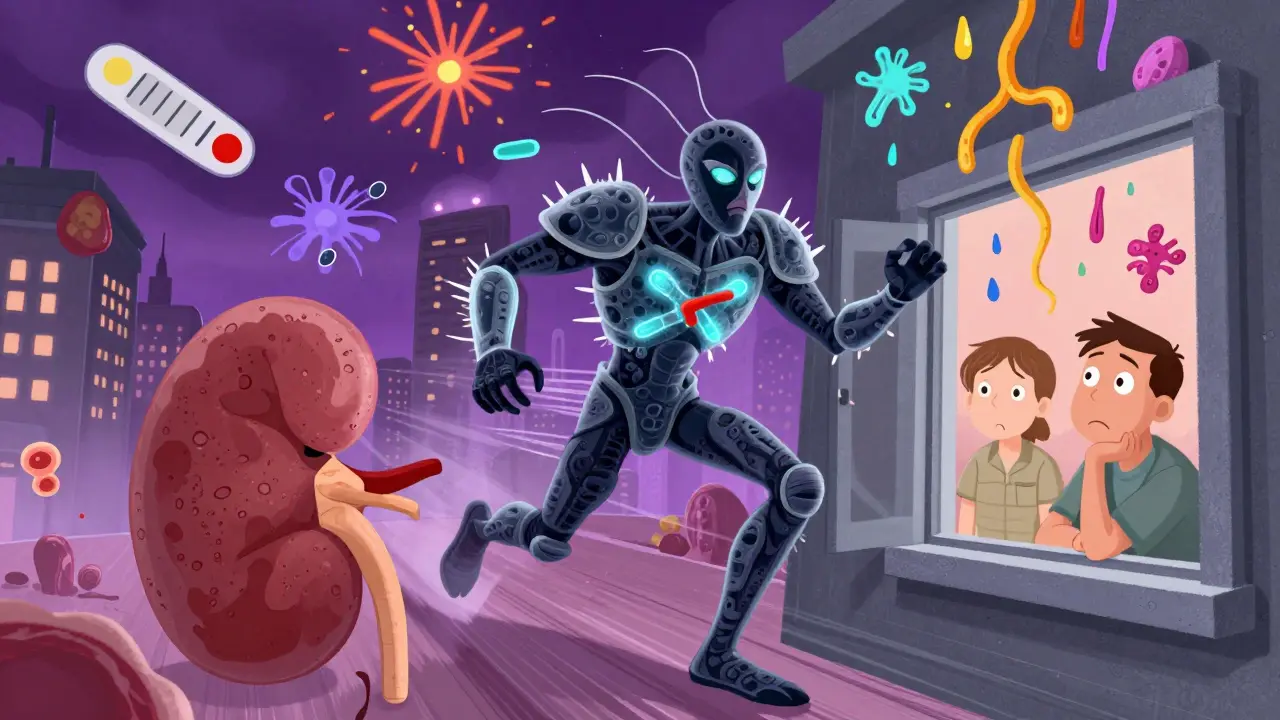
When your kidneys start to fail, it doesn’t happen overnight. It’s a slow leak-quiet, unnoticed, and often ignored until it’s too late. For millions of people, the root cause isn’t some sudden injury or rare disease. It’s something they’ve been living with for years: diabetes, hypertension, or glomerulonephritis. These three conditions don’t just affect one organ. They silently wreck your kidneys over time, turning them from filters into broken drains.
Diabetes: The Silent Kidney Killer
Diabetes is the number one cause of kidney failure worldwide. In the U.S., nearly half of all new cases of end-stage renal disease (ESRD) come from diabetes. That’s not a coincidence. High blood sugar doesn’t just mess with your nerves or eyes-it floods your kidneys with too much glucose, forcing them to work overtime.
Early on, your kidneys try to compensate. They filter more blood than normal, a state called hyperfiltration. This sounds like a good thing, but it’s actually damaging. The tiny filtering units, called glomeruli, get stretched and swollen. Over time, their walls thicken, proteins leak into your urine, and the cells that hold everything together-podocytes-start dying off.
By the time someone notices symptoms like swelling in the legs or foamy urine, up to 40% of type 2 diabetics already have kidney damage. Biopsies show that 95% of these patients have diffuse mesangial expansion, where the inner part of the glomerulus gets clogged with excess material. Glomerular basement membranes, normally 300-400 nanometers thick, swell to 450-650 nm. That’s like replacing a fine mesh sieve with a clogged coffee filter.
The good news? Early action works. If you catch albuminuria (protein in urine) early-defined as 30 mg/g or more-and start an SGLT2 inhibitor like empagliflozin, you can cut your risk of kidney failure by 32%. The EMPA-KIDNEY trial proved this. Keeping your HbA1c under 7% in the first five years of diagnosis reduces diabetic kidney disease risk by 54%. It’s not about being perfect. It’s about being consistent.
Hypertension: The Pressure That Crushes Kidneys
High blood pressure is the second leading cause of kidney failure. About 28% of ESRD cases trace back to it. And here’s the twist: hypertension and diabetes often go hand in hand. In fact, 75% of people with diabetes also develop high blood pressure. Together, they accelerate kidney damage faster than either one alone.
How does high blood pressure hurt your kidneys? It’s mechanical. Constant pressure above 140/90 mmHg thickens the walls of the small arteries leading to your kidneys. These vessels narrow, reducing blood flow by 15-25% within five years. Without enough blood, the glomeruli starve. They scar. They die. This is called nephrosclerosis.
Studies show that 60-70% of hypertensive kidney disease patients have global glomerulosclerosis-meaning a quarter to 40% of their filtering units are permanently destroyed. Unlike diabetes, where damage is often predictable, hypertension creeps in quietly. Many people don’t feel symptoms until their kidneys are already failing.
Targeting blood pressure isn’t just about preventing heart attacks. For people with protein in their urine, aiming for a systolic pressure below 120 mmHg reduces kidney failure progression by 27%. But it’s not one-size-fits-all. In older adults, dropping pressure too low can cause dizziness or falls. The goal is balance: tight control without risking harm.
ACE inhibitors and ARBs are the go-to medications here. They don’t just lower blood pressure-they protect the kidney’s filtering units directly. Studies show they slow progression by 20-30% across all types of kidney disease. But adherence is a problem. Only 58% of patients stick with these drugs after a year. Why? Side effects like cough or dizziness. Or worse-they feel fine, so they stop taking them.
Glomerulonephritis: When Your Immune System Attacks Your Kidneys
Glomerulonephritis is less common than diabetes or hypertension, but it’s the most unpredictable. It’s not caused by lifestyle. It’s caused by your own immune system turning against your kidneys. In IgA nephropathy, the most common form, immune complexes build up in the glomeruli, triggering inflammation. In lupus nephritis, your body attacks its own tissues, and your kidneys become collateral damage.
These diseases don’t always show symptoms. Some people only notice blood in their urine during a routine checkup. Others develop swelling, high blood pressure, or foamy urine. Diagnosis often takes over a year. One Reddit user shared that they saw seven doctors before getting diagnosed with IgA nephropathy.
The progression varies wildly. In low-risk IgA nephropathy patients, half still have functioning kidneys after 20 years. In high-risk cases, kidney failure can happen in under a decade. The Oxford MEST-C score helps predict this, using biopsy findings to grade severity. Class IV lupus nephritis has a 28.7% chance of reaching ESRD within 10 years.
Treatment is aggressive. Immunosuppressants like rituximab can cut ESRD risk by 48% in high-risk IgA patients. But there’s debate. Some experts warn that in older adults, strong immune suppression increases infection risk without clear kidney benefit. Others argue that delaying treatment costs patients nearly three and a half years of dialysis-free life over a decade.
New drugs are changing the game. Sparsentan, expected for FDA approval in 2024, reduced proteinuria by nearly 50% in trials-far better than older drugs. Finerenone, approved in 2023, lowered kidney failure risk by 18% in diabetics with albuminuria. These aren’t cures, but they’re turning a once-dead-end disease into something manageable.

How These Causes Compare
Not all kidney failure is the same. Here’s how the three major causes stack up:
| Cause | Percentage of ESRD Cases | Typical Progression Speed | Key Biomarker | Primary Treatment |
|---|---|---|---|---|
| Diabetes | 44% | Fast (8.7 years to ESRD) | UACR >30 mg/g | SGLT2 inhibitors, ACE/ARBs |
| Hypertension | 28% | Slower (12.3 years to ESRD) | Blood pressure >130/80 | ACE/ARBs, strict BP control |
| Glomerulonephritis | 8% | Highly variable | Proteinuria, blood in urine | Immunosuppressants, sparsentan |
Diabetes leads to the fastest decline. Hypertension creeps in slowly but often coexists with diabetes, making things worse. Glomerulonephritis is the wildcard-it can stay stable for years or crash suddenly. That’s why biopsy and regular monitoring aren’t optional. They’re essential.
What You Can Do Now
If you have diabetes or high blood pressure, you’re not powerless. The tools to protect your kidneys already exist.
- Get your urine tested for albumin annually. If it’s above 30 mg/g, don’t wait. Start an SGLT2 inhibitor or ACE/ARB.
- Keep your blood pressure under 130/80. For those with proteinuria, aim for 120/80 if you can tolerate it.
- Don’t ignore blood in your urine or unexplained swelling. Get a nephrologist involved early.
- Ask about new medications. Finerenone and sparsentan aren’t for everyone, but they’re changing outcomes.
- Stay on your meds. Adherence is the biggest gap in care. If side effects bother you, talk to your doctor-not quit.
One patient in a National Kidney Foundation survey stabilized her kidney function after starting an SGLT2 inhibitor within six months of spotting albuminuria. She didn’t need dialysis. She didn’t need a transplant. She just acted early.
Why This Matters
Kidney disease doesn’t just mean dialysis. It means fatigue, anxiety, dietary restrictions, and lost time. In the U.S., treating ESRD costs Medicare $96,000 per patient per year. Globally, 850 million people have kidney disease. Most don’t even know it.
But here’s the hopeful part: research shows that if we catch these conditions early and treat them right, we could prevent 30-50% of future kidney failures. That’s not science fiction. That’s what’s already working in clinics today.
Your kidneys don’t shout. They whisper. Listen before it’s too late.
Can you reverse kidney damage from diabetes?
Early kidney damage from diabetes can be slowed or even partially reversed if caught in the microalbuminuria stage (30-300 mg/g of protein in urine). SGLT2 inhibitors and ACE/ARBs have been shown to reduce protein leakage and stabilize kidney function. Once scarring (glomerulosclerosis) sets in, it’s permanent, but progression can still be halted.
Does high blood pressure always lead to kidney failure?
No. Many people live with high blood pressure for decades without kidney damage-especially if it’s controlled. The risk rises sharply when blood pressure stays above 140/90 for years, or when it’s combined with diabetes or proteinuria. Regular monitoring and treatment make the difference.
How do I know if I have glomerulonephritis?
Symptoms can be subtle: blood in urine (cola-colored), foamy urine (from protein), swelling in legs or face, high blood pressure, or unexplained fatigue. But many people have no symptoms at all. Diagnosis requires a urine test, blood test for kidney function, and often a kidney biopsy to confirm the type. If you have persistent abnormal urine results, see a nephrologist.
Are SGLT2 inhibitors safe for people without diabetes?
SGLT2 inhibitors are currently approved for people with type 2 diabetes and chronic kidney disease, regardless of diabetes status. Studies like EMPA-KIDNEY showed benefits in non-diabetic patients with kidney disease and proteinuria. However, they’re not yet standard for all kidney patients. Always consult your doctor before starting any new medication.
Can diet prevent kidney failure?
Diet alone won’t stop kidney failure caused by diabetes or hypertension, but it helps. Reducing salt, avoiding processed foods, and keeping protein intake around 0.8 grams per kg of body weight can ease the burden on your kidneys. For people with advanced kidney disease, a renal diet becomes critical. But the biggest impact comes from controlling blood sugar and blood pressure-diet supports those goals, it doesn’t replace them.
What’s the best way to monitor kidney health?
Two simple tests: a urine test for albumin-to-creatinine ratio (UACR) and a blood test for estimated glomerular filtration rate (eGFR). Do them annually if you have diabetes or high blood pressure. If results are abnormal, repeat every 3-6 months. Don’t wait for symptoms. By the time you feel tired or swollen, damage may already be advanced.
Next Steps
If you have diabetes or high blood pressure, schedule your next kidney checkup today. Ask for a UACR test. If you’ve never had one, ask why. If your doctor says you’re fine but your numbers are borderline, push for action. Kidney failure isn’t inevitable. It’s preventable-if you act early.
If you’ve been diagnosed with glomerulonephritis, find a nephrologist who specializes in immune kidney diseases. Ask about biopsy results, risk scores, and new treatments like sparsentan. Don’t accept vague answers. This is your kidneys we’re talking about.
The data is clear. The tools are here. What’s missing is action. Don’t wait for the next warning sign. Your kidneys won’t scream. But they’ll stop working-and then it’s too late.



Frank Drewery
December 21, 2025 AT 10:00This is the kind of post that makes you pause and actually check your last lab results. I had no idea protein in urine was such a big red flag. Thanks for laying it out like this-no fluff, just facts.
Kinnaird Lynsey
December 22, 2025 AT 17:31Yeah, I got my UACR tested last year after my doc mentioned I was ‘borderline.’ Turned out I had 42 mg/g. I started an SGLT2 inhibitor and now my numbers are back to 18. No drama, no miracle cure-just consistency.
Glen Arreglo
December 24, 2025 AT 01:17People act like kidney damage is some mysterious fate, but it’s just the logical end of ignoring your blood pressure for 15 years. You want to live long? Stop treating your body like a rental car.
shivam seo
December 24, 2025 AT 14:47Diabetes causes kidney failure? Shocking. Next you’ll tell me smoking causes lung cancer. Also, who funds this ‘research’? Big Pharma’s pushing these drugs because they make billions off dialysis. Wake up.
benchidelle rivera
December 24, 2025 AT 22:24Let me be clear: if you have diabetes or hypertension and aren’t monitoring your kidney function annually, you are neglecting your own health. No excuses. No ‘I feel fine.’ Your kidneys don’t feel anything until it’s too late. Get tested.
Andrew Kelly
December 25, 2025 AT 11:57They say ‘early action works’-but who’s ‘they’? The same people who told us statins were a cure-all and then quietly buried the muscle damage data? I’m not trusting any ‘trial’ that’s sponsored by a drug company with a patent on the next big thing.
Anna Sedervay
December 25, 2025 AT 14:51One must contemplate the ontological implications of renal dysfunction as a manifestation of systemic metabolic collapse-a metaphysical erosion of homeostatic equilibrium, wherein the glomerulus becomes a silent martyr to the idolatry of hyperglycemia and hypertensive hegemony. The body whispers, yes-but do we possess the epistemic humility to listen?
Ashley Bliss
December 26, 2025 AT 23:17I’ve been waiting my whole life for someone to say this. My mom died on dialysis at 58. She never knew her blood sugar was high until it was too late. Now I test my urine every month. I don’t care if it’s annoying. I’d rather be annoying than grieving.
Connie Zehner
December 28, 2025 AT 18:31Wait… so you’re telling me I should take MORE pills? I already take 7. And now you want me to add another one? And pay $600 a month? And then get a biopsy? What’s next, a blood test for my soul? 😭
holly Sinclair
December 30, 2025 AT 04:56It’s fascinating how modern medicine treats symptoms as problems rather than signals. Diabetes isn’t a disease-it’s a feedback loop of our environment, our food, our stress, our disconnection from biological rhythms. The kidneys are just the canary. We keep building louder factories and wonder why the bird stops singing. Maybe we need to stop trying to fix the bird and start fixing the factory.
Jedidiah Massey
January 1, 2026 AT 02:53EMPA-KIDNEY trial? SGLT2 inhibitors? UACR thresholds? You’re speaking the language of nephrology, but let’s be real-most patients don’t know what ‘glomerulosclerosis’ means. The real failure isn’t renal-it’s medical communication. We need plain language, not jargon soup.
anthony funes gomez
January 1, 2026 AT 15:20Diabetes and hypertension are not causes-they’re symptoms. The real cause is processed food, sedentary lifestyles, and corporate greed. The medical-industrial complex profits from chronic disease. They don’t want you cured-they want you compliant. And now they’ve got you hooked on finerenone like it’s caffeine.
Laura Hamill
January 2, 2026 AT 17:25My cousin got diagnosed with IgA nephropathy and now she’s on steroids. She’s gained 40 lbs, can’t sleep, and cries all the time. So yeah, ‘aggressive treatment’ is just a fancy way of saying ‘we’re gonna ruin your life to save your kidneys.’
Alana Koerts
January 3, 2026 AT 11:3495% of diabetics have kidney damage? That’s a scam. I’ve seen 500+ type 2 patients in my clinic. Half of them are fine. You’re scaring people for clicks.
jessica .
January 4, 2026 AT 17:34They’re lying about the numbers. I read a blog that said the FDA hides the real stats because they don’t want people to panic. You think your doctor really cares? They get paid per visit. They don’t want you healthy-they want you coming back.